

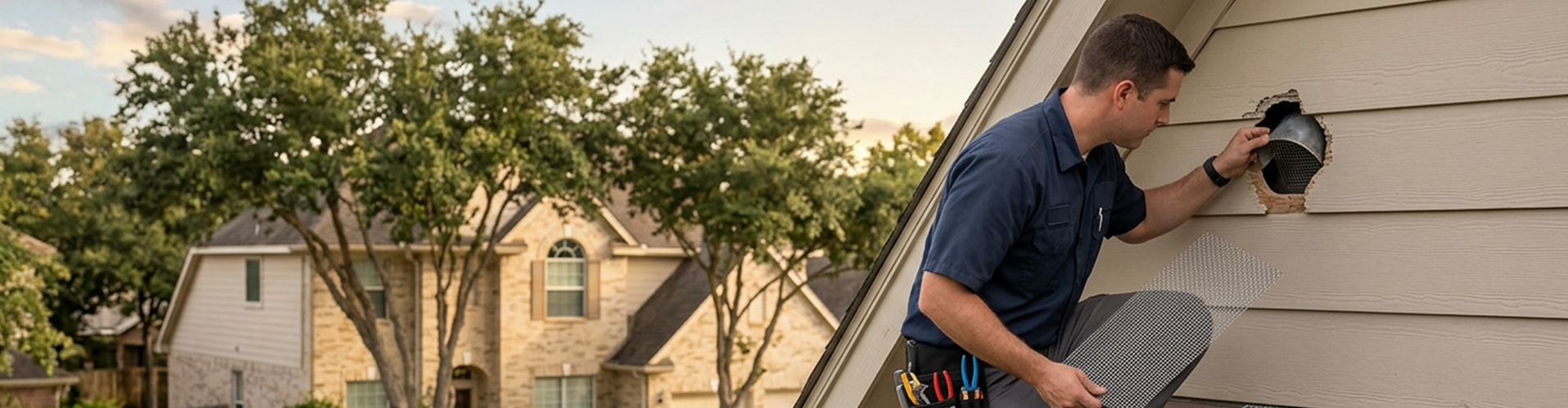


Unusual Movement in Your Attic or Walls? We Handle it the Right Way – PERMANENTLY.

Wildlife Removal in Deer Park, TX

Wildlife Removal in Deer Park, TX

Wildlife removal in Deer Park has become more complex than ever, with animals increasingly adapting to suburban spaces and homeowners facing unexpected intrusions that threaten both safety and comfort. The challenge isn't just about removing an animal—it's about understanding behavior patterns, securing vulnerable entry points, and restoring peace of mind without causing harm to your property or local wildlife. If you've heard scratching in your attic near Center Street or spotted raccoons prowling around your trash bins off East X Street, you're not alone in experiencing these frustrations. Modern wildlife control requires a nuanced approach that balances humane practices with long-term prevention, and that's where experienced professionals make all the difference.

What makes Deer Park wildlife removal particularly tricky is the blend of residential neighborhoods, wooded areas around Battleground Golf Course, and proximity to natural habitats that create ideal conditions for wildlife to thrive. From squirrels nesting in soffits to opossums burrowing under decks, the variety of critters requiring attention can overwhelm even the most prepared homeowner. We've worked throughout this community long enough to know that cookie-cutter solutions don't work—every home presents unique vulnerabilities, and every animal situation demands tailored strategies that address root causes rather than just symptoms.

Residents here value their homes and the natural beauty surrounding them, which is why humane, effective wildlife control matters so much. Whether you're dealing with persistent rodents, destructive birds, or larger mammals causing structural damage, the right team brings not just tools and techniques, but also local knowledge that transforms a stressful situation into a manageable one. Our commitment is simple: protect your property, respect the animals, and provide solutions that last beyond the initial service call.

Schedule a Free inspection

Why Animal Removal in Deer Park Requires Local Expertise

Understanding the specific wildlife patterns in Deer Park makes a tangible difference in how quickly and effectively problems get resolved. Animals in this area behave differently depending on the season, the proximity to Sheldon Lake State Park, and even the layout of individual neighborhoods. A technician unfamiliar with these regional nuances might miss critical signs of infestation or apply generic methods that fail to address the underlying issue. Local expertise means recognizing that raccoons near Thompson Road behave differently than those closer to the San Jacinto River, and that squirrels in older homes along Center Street exploit different entry points than those in newer construction.

Experience in this specific community also means knowing which preventive measures hold up against Houston's unpredictable weather and which materials animals can easily bypass. It's not uncommon for homeowners to attempt DIY repairs only to discover that the same critter returned within days because the fix didn't account for animal ingenuity or environmental factors. When you work with professionals who've handled hundreds of cases in Deer Park, you benefit from accumulated knowledge that turns potential repeat visits into permanent solutions. That familiarity extends to understanding local regulations, humane trapping standards, and the best practices for excluding animals without causing them undue stress.

  • Accurate identification of animal species and their entry methods
  • Knowledge of seasonal behavior shifts that impact removal strategies
  • Familiarity with Deer Park building styles and common vulnerabilities
  • Access to proven exclusion materials that withstand local climate conditions

These advantages matter because they directly impact how fast you regain control of your home and how confident you can feel that the problem won't resurface. Identifying the exact species isn't just academic—it dictates trapping methods, bait selection, and exclusion techniques that vary wildly between, say, an opossum and a roof rat. Seasonal shifts mean that spring brings different challenges than fall, with breeding cycles and food availability altering animal behavior in ways that only seasoned professionals anticipate. Building familiarity ensures that we're not guessing about where animals might enter but instead targeting known weak points based on past cases in similar homes. And climate-resistant materials mean that repairs hold up through summer heat and winter moisture, preventing the frustration of watching your investment unravel after the next storm.

Common Critter Problems Facing Deer Park Homeowners

Deer Park critter removal often centers around a handful of repeat offenders that exploit predictable vulnerabilities in residential properties. Raccoons top the list, drawn by accessible trash, pet food left outdoors, and the shelter offered by attics and crawl spaces. These intelligent animals can pry open vents, tear through weak wood, and establish nests that cause insulation damage and unpleasant odors. Squirrels follow closely behind, particularly in neighborhoods with mature trees, where they leap from branches onto roofs and chew through fascia boards to access cozy attic spaces for nesting. Their constant gnawing can damage electrical wiring, creating fire hazards that many homeowners don't realize exist until it's too late.

Opossums and skunks present different challenges, often burrowing under decks, sheds, or foundations where they create dens that attract secondary pests like fleas and ticks. While generally less destructive than raccoons, their presence can lead to foul smells and the risk of disease transmission, especially if pets encounter them. Rodents—specifically roof rats and Norway rats—are perennial issues in Deer Park, thriving in the mild climate and finding endless food sources in gardens, compost bins, and improperly stored pantry goods. Their rapid reproduction rates mean that a small problem can escalate into a full-blown infestation within weeks if not addressed promptly.

Birds, particularly pigeons and starlings, cause problems for commercial properties and some residential areas, nesting in vents, under eaves, and on ledges where their droppings corrode surfaces and create health hazards. Each of these animals requires a different approach, from the trapping methods used to the materials chosen for exclusion work, and understanding their habits is the first step toward effective wildlife control in Deer Park. The commonality across all these critters is that they're opportunistic—they'll exploit any opening, any food source, and any shelter that makes life easier, which is why proactive prevention paired with professional removal delivers the best outcomes.

How Deer Park Wildlife Control Protects Your Property Long-Term

Effective Deer Park wildlife control goes beyond simply catching and relocating an animal. True protection involves a comprehensive inspection to identify every potential entry point, followed by exclusion work that seals those vulnerabilities with materials animals cannot breach. This might include installing steel mesh over vents, reinforcing soffits with metal flashing, or repairing rotted wood that provides easy access. The goal is to make your home uninviting and impenetrable, so animals move on to easier targets rather than returning to the same site.

Sanitation and deodorization also play crucial roles, especially after an animal has been living in your attic or crawl space for an extended period. Urine, feces, and nesting materials can harbor pathogens and attract new animals through scent markers that signal a safe haven. Removing contaminated insulation, disinfecting surfaces, and applying enzymatic cleaners neutralizes these attractants and restores your home to a safe, clean state. Without this step, even the best exclusion work can be undermined by lingering odors that draw in the next wave of intruders.

  1. Thorough property inspection to map all current and potential entry points
  2. Humane trapping and removal of existing animals
  3. Exclusion work using durable, animal-proof materials
  4. Sanitation and odor elimination to remove attractants
  5. Follow-up monitoring to ensure no new activity emerges

This layered approach ensures that you're not just solving today's problem but preventing tomorrow's headaches as well. Inspections reveal hidden damage that might otherwise go unnoticed until it becomes a costly repair, such as chewed wiring or compromised insulation. Humane trapping respects animal welfare while efficiently clearing your property, avoiding the legal and ethical issues that come with less scrupulous methods. Exclusion work transforms your home into a fortress that animals simply can't breach, no matter how persistent they are. Sanitation addresses the invisible threats that linger after animals leave, protecting your family's health and preventing reinfestations driven by scent. And follow-up monitoring provides peace of mind, confirming that the job is truly done and that no sneaky critters have found a workaround.

Preventing Repeat Wildlife Issues in Your Deer Park Home

Prevention is always more cost-effective and less stressful than reactive removal, which is why we emphasize educating homeowners about practices that reduce wildlife attraction. Simple habits like securing trash cans with locking lids, bringing pet food indoors at night, and trimming tree branches away from rooflines can drastically reduce the likelihood of animal encounters. Many homeowners don't realize that something as innocent as a bird feeder or an open compost pile can become a dinner bell for raccoons, squirrels, and rodents, turning their yard into a hotspot for unwanted visitors.

Regular home maintenance also plays a pivotal role, particularly inspecting and repairing areas prone to wear and tear. Check soffits, vents, and chimneys for gaps or damage, and address any issues promptly before animals exploit them. Even small openings—as little as a quarter-inch for mice—can serve as entry points, so vigilance matters. In Deer Park, where humidity and occasional flooding can accelerate wood rot and structural degradation, staying ahead of repairs is especially important. Foundation cracks, gaps under siding, and poorly sealed garage doors all represent opportunities for animals to gain access, and catching these problems early saves money and frustration down the line.

Another often-overlooked factor is landscaping. Dense shrubs near your home's foundation provide cover for animals to work undetected, while overgrown ivy or other climbing plants create natural ladders to upper levels. Keeping vegetation trimmed and maintaining clear sightlines around your property not only deters animals but also makes it easier to spot signs of intrusion early. If you've invested in professional wildlife removal, following through with these preventive measures ensures that your home remains protected year-round, without the need for repeated service calls.

Find Us Locally in the Deer Park Area

We proudly serve the entire Deer Park area, from neighborhoods near Spencer Highway to homes closer to Battleground Golf Course and everywhere in between. Use the map below to see the communities we cover and how we can help with your wildlife removal needs throughout the area. 

What Deer Park Residents Ask About Wildlife Removal

How quickly can you respond to a wildlife emergency in Deer Park?
We understand that discovering an animal in your home is stressful, which is why we prioritize rapid response times for wildlife removal in Deer Park. In most cases, we can schedule an inspection within 24 hours, and if the situation is urgent—such as an animal in your living space or signs of aggressive behavior—we'll do everything possible to arrive even sooner. Our goal is to assess the situation quickly, implement immediate containment if necessary, and outline a clear plan for complete resolution so you're not left wondering what happens next.

Are your wildlife control methods safe for pets and children?
Absolutely. Every technique we use for Deer Park wildlife control is designed with the safety of your family and pets in mind. We rely on humane trapping that targets specific animals without posing risks to non-target species, and all exclusion materials are installed securely to prevent accidental contact. When sanitation or deodorization is required, we use eco-friendly, non-toxic products that are safe once dry, and we'll always inform you of any temporary precautions to take during the service process. Your peace of mind is as important as effective animal removal.

What should I do if I hear noises in my attic at night?
Nighttime noises often indicate nocturnal animals like raccoons, opossums, or rats have taken up residence, and the best first step is to avoid disturbing them and contact a professional for an inspection. Attempting to scare them out or block entry points while they're inside can trap animals, leading to more damage as they try to escape or, worse, causing them to die in inaccessible spaces where odor becomes unbearable. We'll identify the species, determine how they're entering, and create a safe removal and exclusion plan that addresses the root cause so you can sleep soundly again.

Your Partner in Protecting Deer Park Homes from Wildlife

Living in Deer Park means enjoying the benefits of a close-knit community and the natural beauty that comes with proximity to parks and green spaces, but it also means sharing that environment with wildlife that sometimes crosses the line into your personal space. The good news is that with the right approach, you can maintain that balance without sacrificing your comfort or safety. Professional wildlife removal isn't about waging war on animals—it's about creating boundaries that respect both your property and the creatures that call this area home, ensuring everyone coexists peacefully.

From thorough inspections that leave no stone unturned to exclusion work that stands the test of time, every step we take is designed to deliver results you can count on. We've seen firsthand how a small crack or an overlooked vent can snowball into a major headache, and we've also seen the relief on homeowners' faces when they realize the problem is truly solved for good. That's the standard we hold ourselves to with every call, every inspection, and every completed project throughout Deer Park and beyond.

If you're tired of dealing with unwanted critters or simply want to prevent problems before they start, CritterProof is here to help. Reach out today to schedule your free inspection or call 832-834-8206 to speak with a wildlife control specialist who understands the unique challenges facing Deer Park homeowners. Let's work together to protect your home and restore your peace of mind.

Schedule a Free inspection

Get Your Free Wildlife Inspection in Houston Today

If you're hearing noises, scratching, seeing damage, or suspect wildlife in your attic or walls, don't wait. We offer fast, honest inspections with real solutions that fix the problem.