



Unusual Movement in Your Attic or Walls? We Handle it the Right Way – PERMANENTLY.

Wildlife Removal Tips & Info | Houston

Humane Wildlife Removal in Houston

Published March 13th, 2026 by CritterProof Wildlife Removal

If you are hearing scratching in the attic at 2 a.m., spotting droppings in the garage, or noticing a bad smell coming from the walls, the problem is already bigger than the animal itself. What most Houston homeowners are really dealing with is entry, nesting, contamination, and the risk that it happens all over again.

That is why humane wildlife removal in Houston should never mean simply trapping one animal and calling it done. If the entry points stay open, another raccoon, squirrel, rat, or opossum can move right back in. The right fix is humane removal paired with a full inspection, cleanup where needed, and sealing the home so the problem stays gone.

What humane wildlife removal Houston homeowners actually need

A humane approach sounds simple, but in practice it has to be done correctly. The goal is to remove the animal without unnecessary harm while also protecting the people living in the home. That usually means identifying where the animal is active, figuring out how it got in, checking for young or nesting areas, and choosing the removal method that fits the species and situation.

For example, a squirrel in an attic is not handled the same way as roof rats in the walls or bats in a gable vent. In some cases, one-way devices and exclusion methods make sense. In others, hand removal, trapping, or structured removal plans are necessary. The common thread is that the work should be focused on solving the problem at the source, not just reacting to the noise.

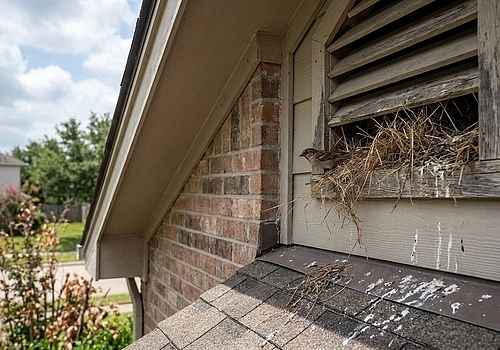
Houston homes are especially vulnerable because of the local climate, long warm seasons, and the way many neighborhoods blend mature trees, rooflines, crawl spaces, and attic voids. Wildlife does not need a large opening to get inside. Rats can use small gaps along roof returns and utility penetrations. Squirrels can exploit loose soffits. Raccoons can tear into weak areas that already have storm or age-related damage.

Why temporary removal fails so often

A lot of homeowners do not realize how often wildlife problems come back because the original service stopped too early. Removing the animal is only one part of the job. If the nesting area is still there, food sources remain, and the structure is not sealed, the house is still inviting the next animal in.

This is especially true with rats. A few traps may catch some activity, but if roofline gaps, vent openings, or plumbing penetrations stay exposed, the colony can rebuild quickly. The same pattern happens with squirrels and raccoons. One animal gets removed, but the vulnerable construction remains unchanged.

That is the difference between wildlife control and true exclusion work. Real long-term protection means finding every active and potential entry point, closing them with durable materials, and addressing the mess left behind. Without that step, homeowners often end up paying twice – first for removal and then again when the problem returns.

The animals Houston homeowners deal with most

In the Houston area, the most common nuisance wildlife problems usually involve rats, raccoons, squirrels, bats, snakes, and opossums. Each creates a different kind of risk.

Rats are destructive and unsanitary. They contaminate insulation, chew wiring, and move through attics and walls with little warning. Roof rats are especially common in residential neighborhoods because they travel along fences, tree limbs, and rooflines.

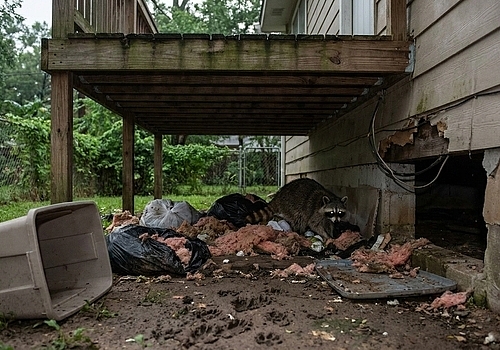
Raccoons are stronger and more destructive. They can rip into soffits, vents, and roofing components, then create major contamination in attics. If a mother raccoon has babies inside, the removal plan has to be handled carefully and completely.

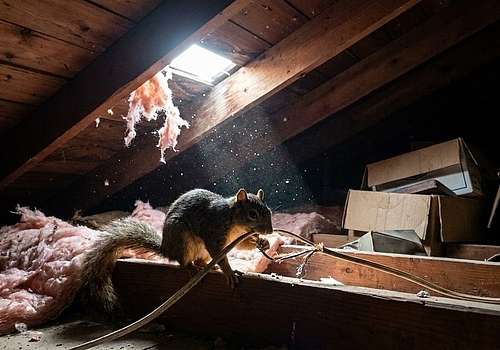
Squirrels may seem less alarming, but they can do serious damage too. Once inside an attic, they chew wood, wiring, and stored materials, and they often return to known nesting spots if those access points are not sealed.

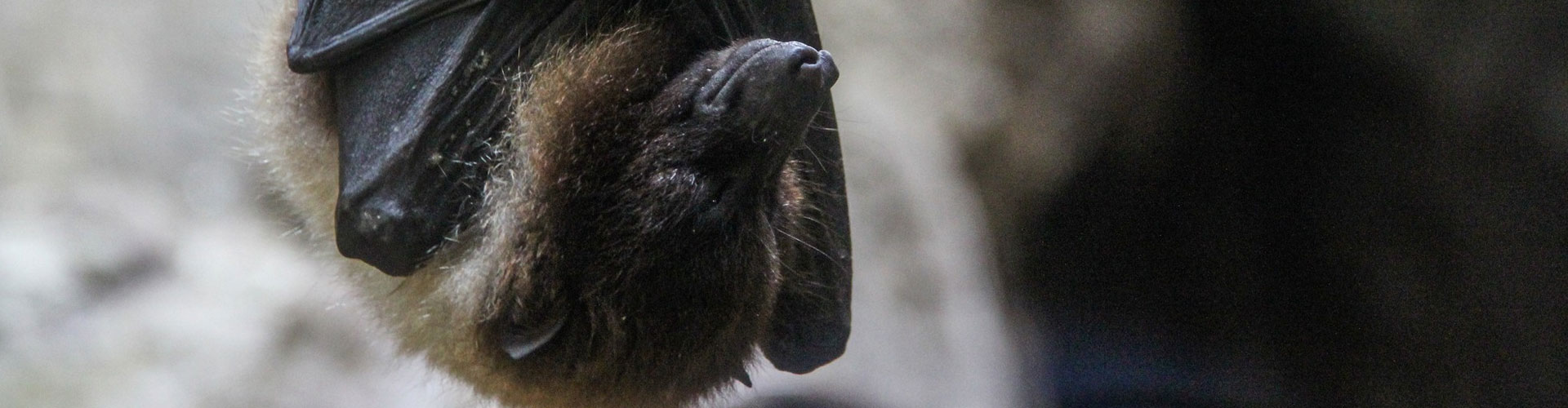
Bats require even more care because timing, location, and humane exclusion methods matter. The presence of bat guano also raises sanitation concerns that should not be ignored.

Snakes and opossums are a little different. They may not always cause structural damage on the same level, but they still create safety concerns and usually signal that the property has conditions attracting wildlife activity.

Humane removal should include a full inspection

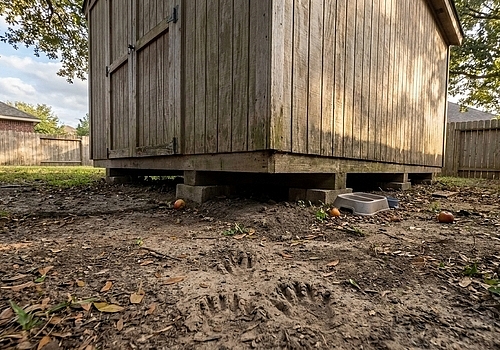
A proper inspection is where the real answer is found. Homeowners often call because of one symptom – scratching noise, droppings, a smell, or visible damage – but the inspection should uncover the full picture.

That means checking the attic, roofline, vents, soffits, eaves, crawl spaces, garages, and any structural transition points where animals can enter. It also means identifying whether the activity is current or old, whether young are present, and whether contamination or damage needs to be addressed after removal.

This is the step that separates guesswork from a permanent fix. If a company only sets traps without explaining how the animals are getting in, that is a warning sign. Homeowners need a plan that covers removal, repairs, exclusion, and prevention.

What long-term wildlife protection looks like

The best outcome is not just getting the animal out. It is making the house harder to enter in the first place.

That usually includes sealing construction gaps, reinforcing vulnerable areas, screening certain openings, and repairing damage animals used to gain access. In many cases, attic restoration or sanitation may also be part of the solution, especially if droppings, urine, nesting debris, or carcass odor are present.

There is some variation depending on the species. A rat-heavy property may need a more detailed focus on small gaps and travel routes. A raccoon issue may require stronger reinforcement at larger openings. Bat work has to be timed and performed carefully. So yes, it depends. But the principle stays the same: remove the wildlife humanely, then secure the home so re-entry is not easy.

This is where written warranties matter too. If a company stands behind its exclusion work, that tells you the service is built around prevention, not just a one-time visit.

When homeowners should act

The short answer is now. Wildlife problems almost never improve by waiting.

A few nights of scratching can turn into a nesting issue. A small rat entry can become widespread attic contamination. A raccoon that found a weak soffit can enlarge that opening fast, especially during baby season. The longer the activity continues, the more likely you are to have insulation damage, odor problems, chewed wiring, and higher repair costs.

Some homeowners delay because they hope the animal will leave on its own. Sometimes it does. The opening it used usually remains, and another animal often finds it. That is why urgency matters. Fast service is not about panic. It is about preventing a manageable problem from becoming an expensive one.

Choosing the right wildlife company in Houston

If you are comparing providers, look past trap counts and low upfront pricing. Ask whether the inspection includes entry-point identification. Ask whether the company performs exclusion work, cleanup, and sanitation. Ask whether the solution is designed to stop re-entry. And ask whether the work is backed by a written warranty.

Those questions matter because many wildlife issues are not solved by removal alone. Houston homeowners need a company that understands both animal behavior and home construction. If one side is missing, the result is usually temporary.

A local specialist should also understand the pressure Houston homes face year-round, from heat and humidity to storm wear and dense suburban wildlife activity. That local knowledge helps determine where animals are likely getting in and what kind of repairs will actually hold up.

For homeowners who want the job fixed the right way – long term – services like free inspections, same-day availability, humane removal, structural sealing, and warranty-backed exclusion are not extras. They are the standard that should be expected. That is the approach companies like CritterProof Wildlife Removal are built around at https://CritterProof-Tx.com.

Peace of mind comes from fixing the cause

Most homeowners are not calling because they want a trap set. They are calling because they want their attic quiet again, their home clean again, and their family to stop worrying about what is moving above the ceiling.

That peace of mind comes from a complete solution. Humane removal matters. So does cleanup. But the part that changes everything is closing the entry points and taking away the chance for the problem to repeat.

If wildlife has made it into your Houston home, the goal should not be to get through this week. The goal should be to stop the damage before it gets worse and protect the house the right way from here forward.


‹ Back

Get Your Free Wildlife Inspection in Houston Today

If you're hearing noises, scratching, seeing damage, or suspect wildlife in your attic or walls, don't wait. We offer fast, honest inspections with real solutions that fix the problem.