




Unusual Movement in Your Attic or Walls? We Handle it the Right Way – PERMANENTLY.

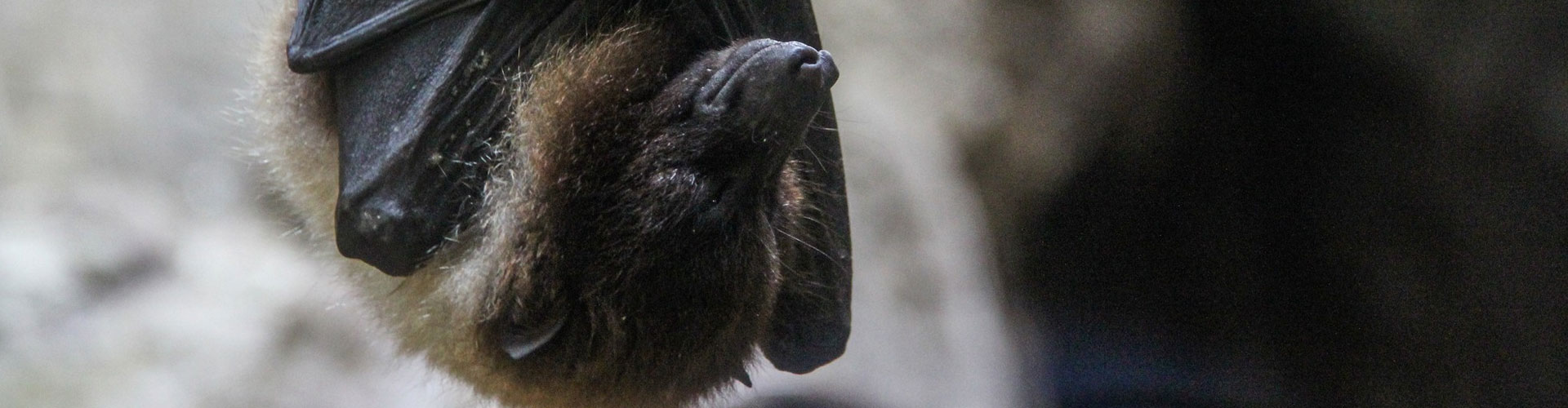
From a tree, a bat is handled by CritterProof through bat removal services.

What to Do if Birds are Nesting in Your Houston Home

Published August 31st, 2026 by CritterProof Wildlife Removal

Most Houston homeowners think birds are just a nuisance. Noise, mess, maybe a little damage. But there's more at stake than you realize — and if you handle it wrong, you could face legal penalties or turn a small problem into a structural disaster. Birds don't just nest. They bring droppings, parasites, and sometimes federal protection. Especially if you're dealing with a species that's covered under the Migratory Bird Treaty Act.

What to Do if Birds are Nesting in Your Houston Home

Here's what matters. If feathered tenants have set up shop in your attic, vents, or chimney, you need a plan that respects the law and protects your property. Every step should be grounded in what's legal — not just what's convenient. And every decision should account for whether those birds are here temporarily or building something permanent.

Figure Out Who Moved In

Before you do anything else, you need to know what you're dealing with. Houston sees plenty of house sparrows, starlings, pigeons, and barn swallows — some protected, some not. If you yank out a nest without checking the species first, you could violate federal law without even knowing it. The Migratory Bird Treaty Act doesn't care if you meant well.

Can't tell a sparrow from a swallow? Don't guess. Bring in someone who knows. A wildlife removal expert or local ornithologist can identify the bird in minutes and tell you exactly what you're allowed to do. That clarity matters more than speed.

Check If the Nest Is Active

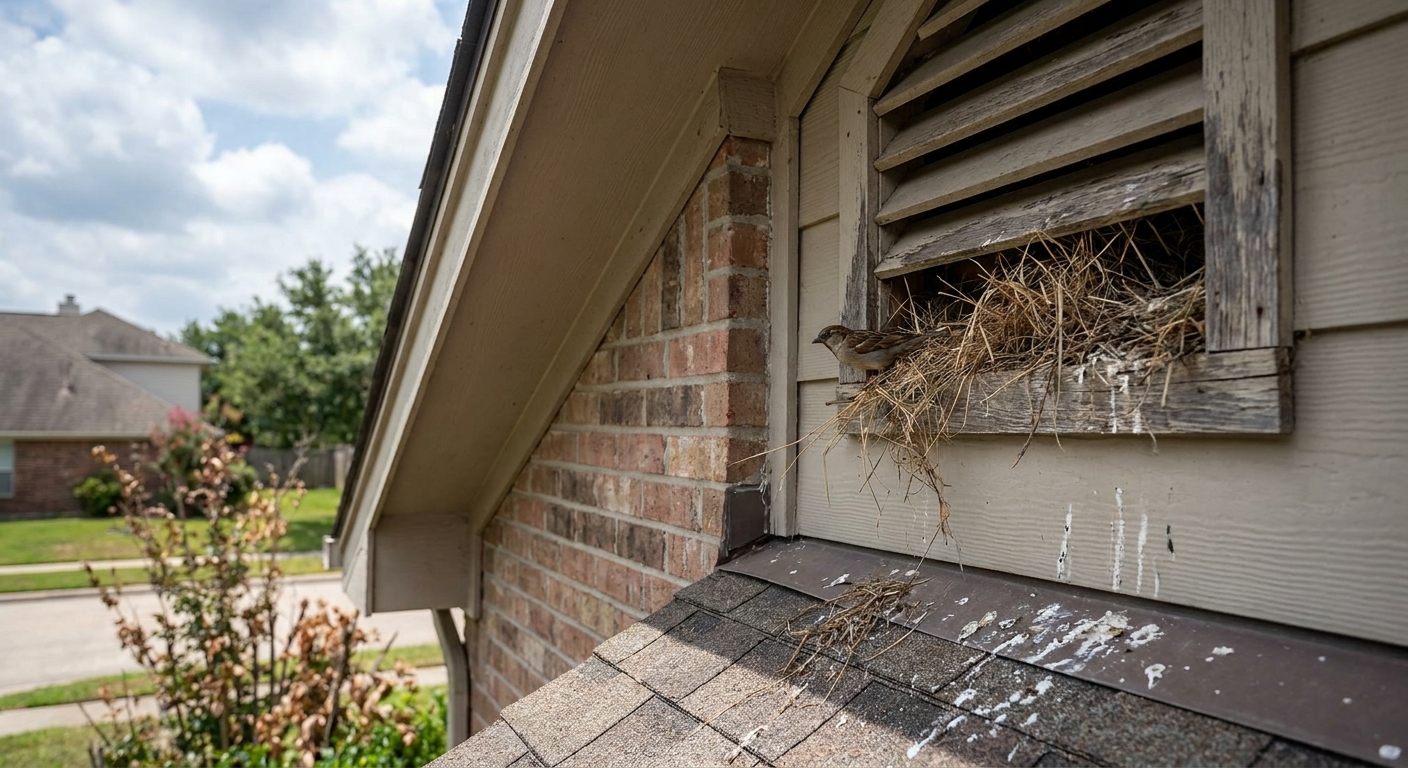
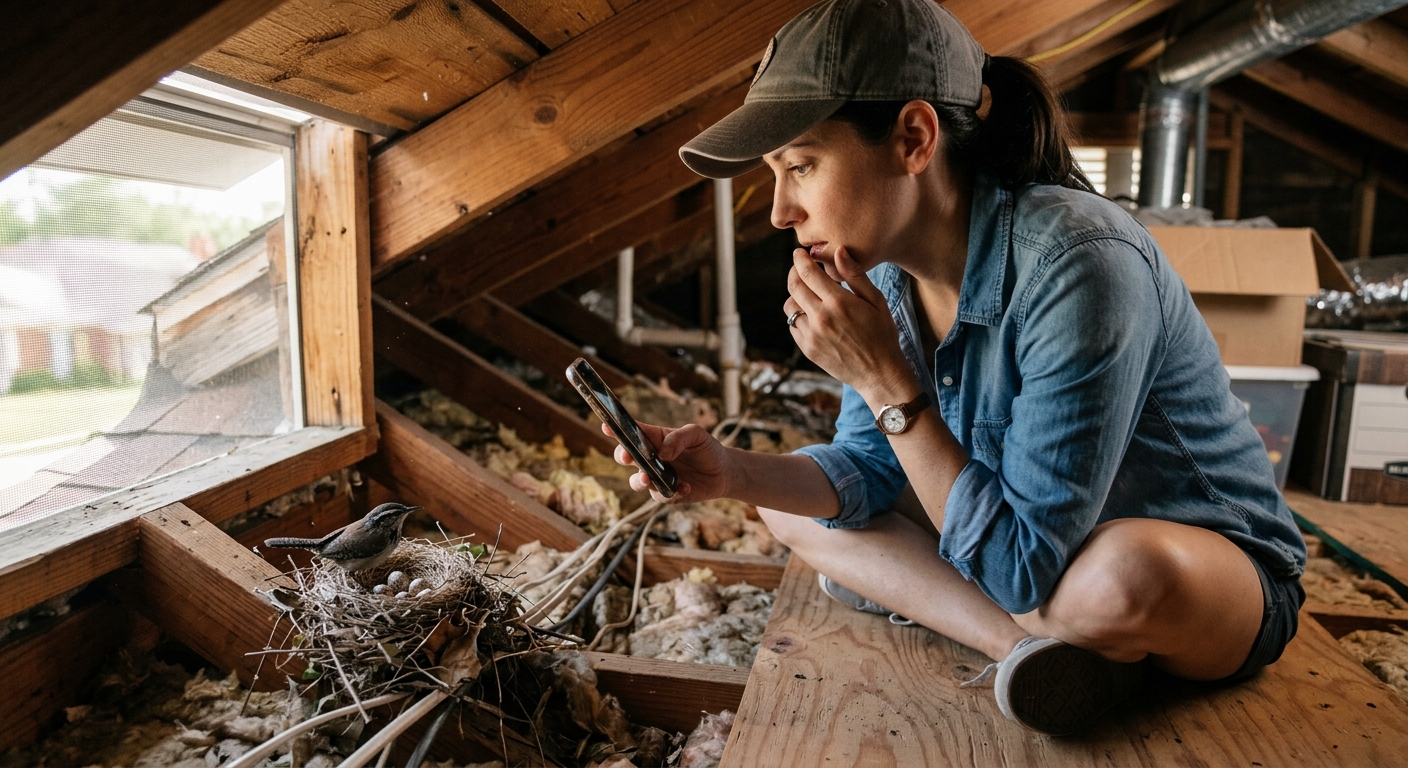
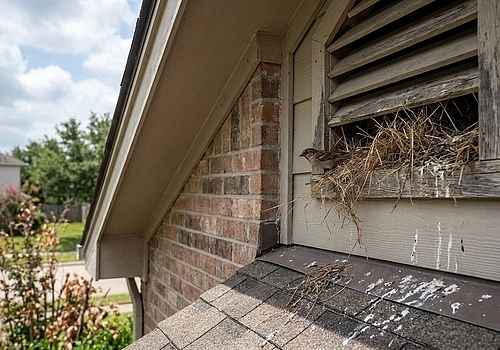
Location tells you half the story. Timing tells you the rest. Birds love attics, exhaust vents, chimneys, and any gap in your roofline that feels safe and dry. But if there are eggs or chicks inside, the nest is off-limits until the young ones fledge.

Here's what to look for when assessing the situation:

  • Visible eggs or baby birds inside the nest
  • Adult birds coming and going with food
  • Fresh nesting material being added daily
  • Chirping or peeping sounds from inside walls or vents
  • Droppings accumulating below the nest site

Don't Touch It If It's Occupied

Active nests demand patience. Birds abandon their young when humans interfere too much, and that's not just cruel — it's often illegal. If the nest has life in it, your job is to wait. Keep kids and pets away. Minimize foot traffic near the area. Let nature run its course.

Most nesting cycles wrap up in three to five weeks. Once the chicks leave, the adults won't return to that same nest. That's your window. Rushing it only complicates things and puts you on the wrong side of wildlife regulations.

Bring In the Professionals

DIY works for a lot of home problems. This isn't one of them. If the nest is wedged inside ductwork, blocking a dryer vent, or deep in your chimney, you need someone with the right tools and the right permits. Licensed wildlife removal specialists understand the regulations and know how to extract nests without causing collateral damage.

Here's what a qualified pro brings to the table:

  • Legal compliance with federal and state bird protection laws
  • Safe nest removal without harming the structure
  • Identification of entry points birds used to access your home
  • Advice on exclusion methods tailored to your property
  • Cleanup and sanitation of contaminated areas

Scrub Down Every Surface

Once the birds are gone and removal is legal, don't just toss the nest and call it done. Bird droppings carry histoplasmosis, salmonella, and a host of parasites you don't want in your HVAC system or insulation. Suit up with gloves and a respirator, then disinfect thoroughly.

Bagging the nest material is step one. Wiping down surfaces with a proper disinfectant is step two. If droppings have soaked into insulation or drywall, you may need to replace those sections entirely. Professional attic cleanup and sanitation services can handle contaminated areas safely. Half measures leave you exposed to health risks that linger long after the birds have moved on.

Close Off Access Points

Birds don't break in. They slip through gaps you didn't know existed. Broken vent screens, uncapped chimneys, loose soffits, and roof damage — those are open invitations. Walk your roofline. Inspect every vent. If a bird got in once, another one will try.

Seal openings with materials that match the threat:

  • Hardware cloth for vents and larger gaps
  • Chimney caps with mesh screens to block entry from above
  • Caulk or expanding foam for cracks in siding and trim
  • Vent covers designed specifically to exclude wildlife
  • Flashing repairs to close off roof vulnerabilities

Install Barriers That Actually Work

Deterrents aren't about cruelty. They're about making your home less appealing without trapping or injuring birds. Spikes work on ledges. Netting blocks access to eaves. Reflective tape and decoys create an environment birds would rather avoid.

Pick deterrents based on where the birds were nesting. A chimney needs a cap. A vent needs a screen. A ledge needs spikes or angled barriers. Generic solutions fail because birds adapt fast. Targeted full home exclusion keeps them out for good.

Birds nesting in Houston home - prevention and removal tips

Stay Ahead with Routine Checks

Spring and early summer are nesting season in Houston. That's when birds scout for sites and start building. If you wait until you hear chirping in the walls, you've already lost control of the timeline. Monthly inspections during peak season catch problems before they escalate.

What to watch for during routine maintenance:

  • New nesting material appearing around vents or eaves
  • Increased bird activity near your roofline or chimney
  • Fresh droppings on walkways or under overhangs
  • Loose or damaged vent covers that weren't there last month
  • Twigs or grass stuck in gutters or downspouts

Know What the Law Actually Says

Federal protection covers most migratory birds, and Texas adds its own layer of regulations. Violating these laws can cost you thousands in fines — even if you didn't know the nest was protected. Ignorance isn't a defense when the species is listed.

If you're not sure what's legal, stop. Call your local wildlife agency or a licensed removal expert. They'll tell you if you're allowed to touch the nest, when you can remove it, and what permits you might need. That phone call is cheaper than a lawsuit.

Prevention Beats Removal Every Time

Getting birds out is one thing. Keeping them out is another. Trim branches that hang over your roof. Clean gutters so they don't provide nesting material. Repair siding and roofing damage as soon as it appears. Professional home repairs address structural vulnerabilities that attract wildlife. The less shelter your home offers, the less attractive it becomes to wildlife.

Houston's climate makes homes prime real estate for nesting birds year after year. If you don't lock down access points, you'll be dealing with the same problem next spring. Consistent upkeep turns your property into a place birds pass over instead of settle into.

Handle It Right or Pay Later

Removing a bird's nest isn't the hard part. Doing it legally, safely, and permanently — that's where homeowners trip up. There's no shortcut when protected species are involved. But there's also no reason to let birds wreck your insulation, clog your vents, or expose your family to disease.

The smart move is knowing when to wait, when to act, and when to call someone who does this for a living. Houston homes deal with bird pressure every season, and the ones that stay clear are the ones that plan ahead. Seal the gaps. Watch the calendar. And respect the rules that keep both your home and the birds out of trouble.

Let’s Protect Your Home the Right Way

We know how stressful it can be when birds take over your attic or vents, but you don’t have to handle it alone. Let’s work together to keep your home safe, healthy, and bird-free—without risking fines or damage. If you’re ready for expert help, call us at 832-834-8206 or schedule a free inspection and we’ll make sure your bird problem is solved the right way from start to finish.


‹ Back

Get Your Free Wildlife Inspection in Houston Today

If you're hearing noises, scratching, seeing damage, or suspect wildlife in your attic or walls, don't wait. We offer fast, honest inspections with real solutions that fix the problem.