




Unusual Movement in Your Attic or Walls? We Handle it the Right Way – PERMANENTLY.

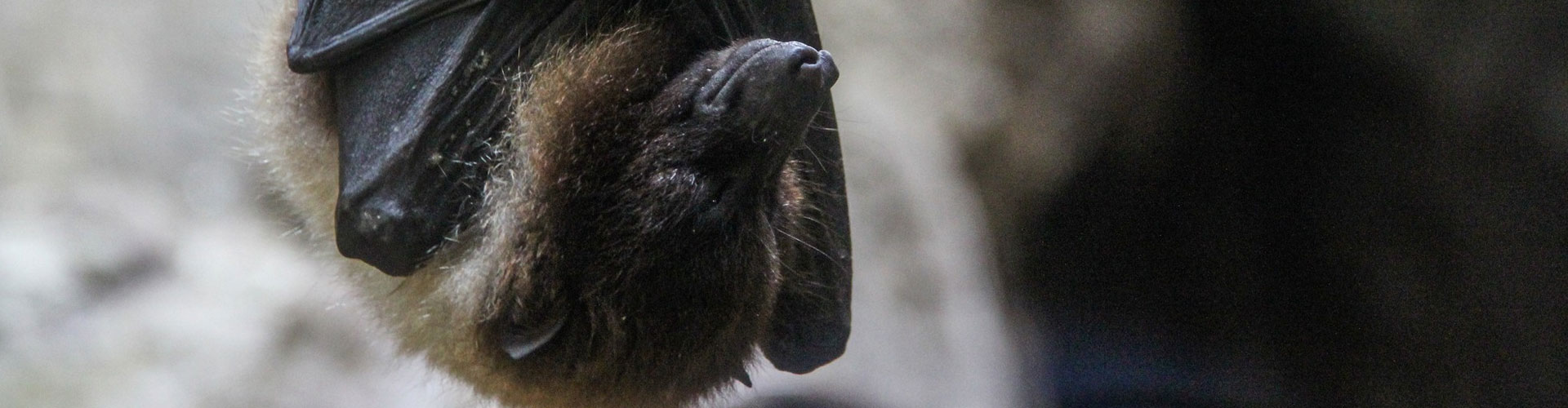
From a tree, a bat is handled by CritterProof through bat removal services.

Why Are Squirrels Chewing Wires in Your Houston Attic?

Published August 17th, 2026 by CritterProof Wildlife Removal

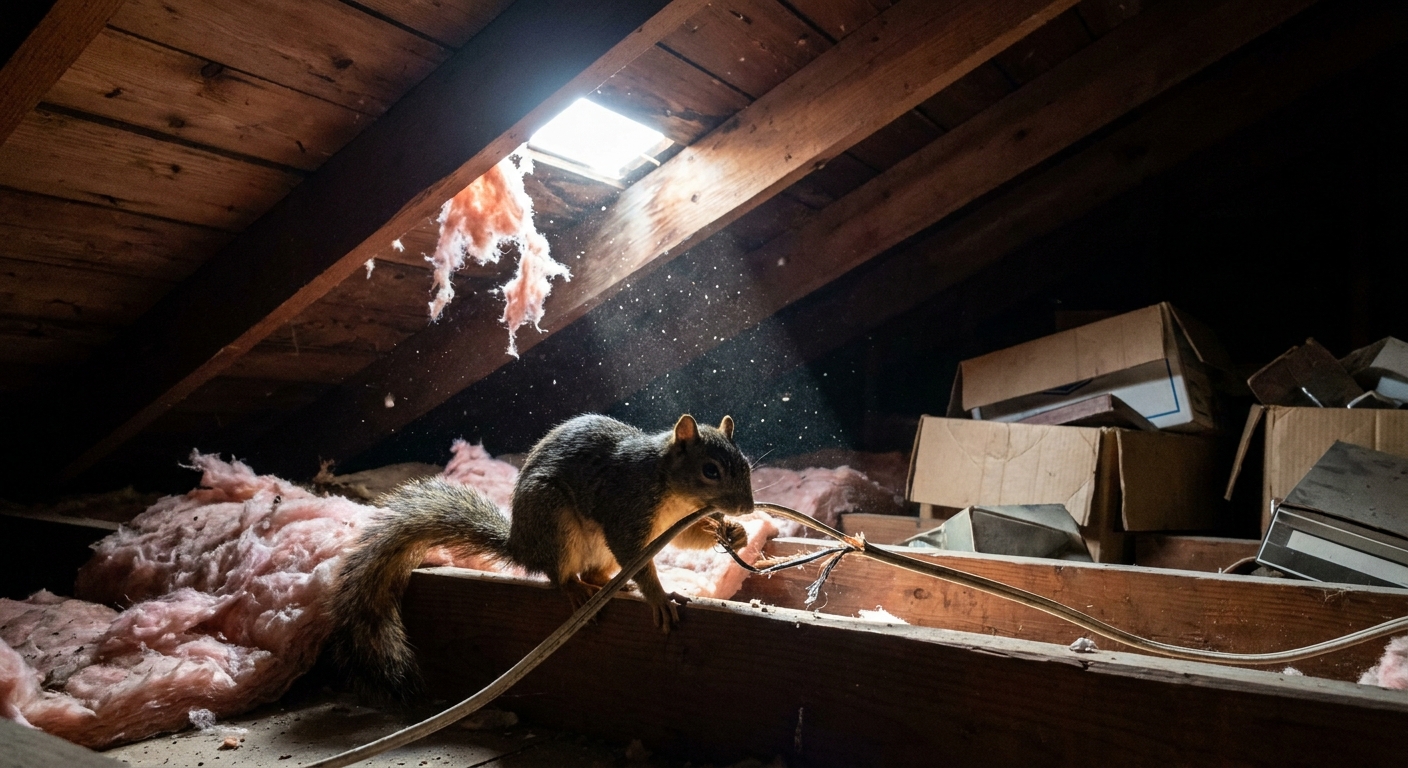
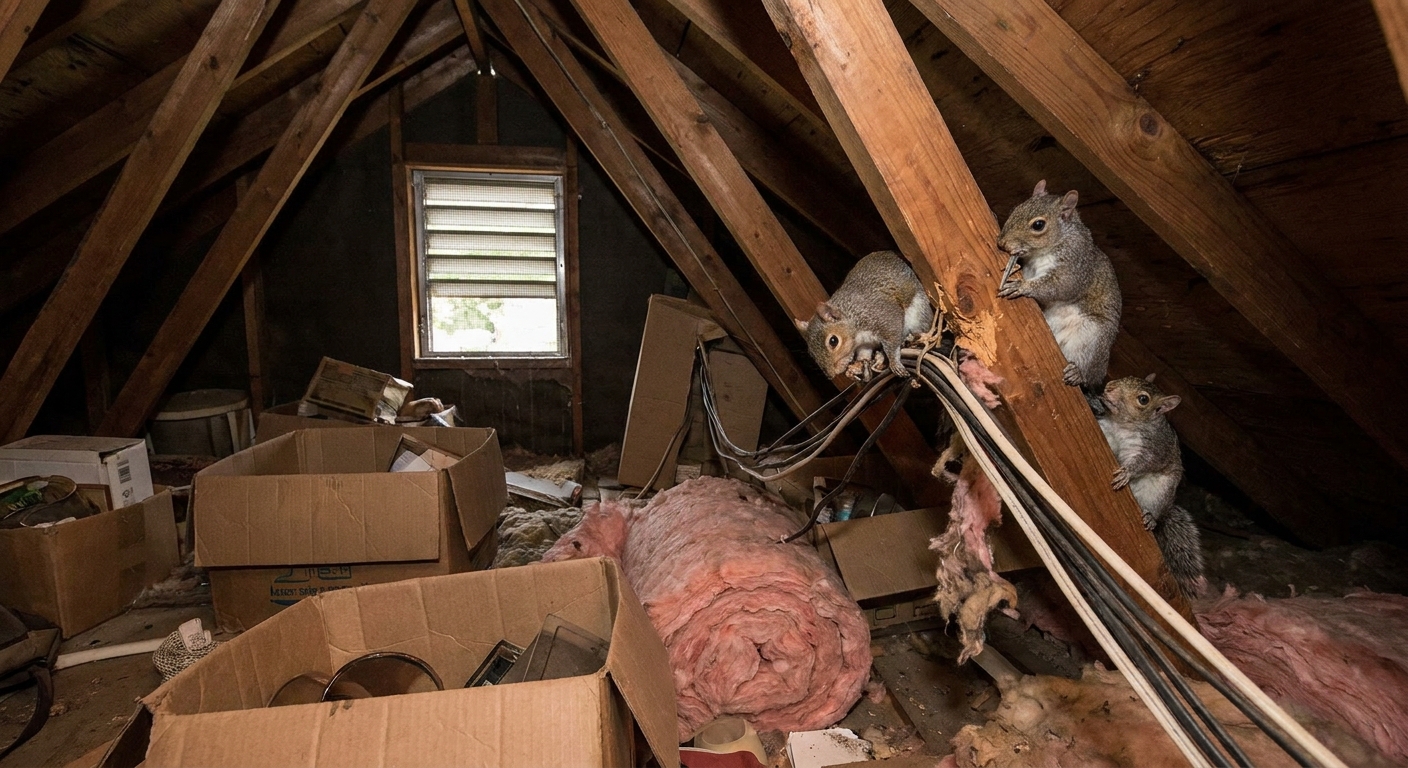
Houston attics don't just attract squirrels—they invite them in. The temperature swings, the sprawling oak trees brushing against rooflines, and the gaps in older construction all create the perfect entry point. Once they're inside, squirrels don't sit still. They explore, they nest, and they chew. And when they chew, they don't discriminate. Electrical wires, insulation, wooden beams—it all becomes fair game. The problem isn't just the noise or the mess. It's the fire risk sitting above your head.

Why Are Squirrels Chewing Wires in Your Houston Attic?

Most homeowners don't realize how dangerous chewed wiring can be until it's too late. A single exposed wire can short out your electrical system, knock out power to entire rooms, or worse—ignite insulation and start a fire. The National Fire Protection Association tracks this stuff, and rodent damage consistently ranks as a major contributor to residential electrical fires. We're not talking about a minor inconvenience. We're talking about real danger that escalates the longer it goes unchecked.

Teeth That Never Stop Growing

Squirrels are rodents, which means their incisors grow continuously throughout their lives. If they don't wear them down, the teeth become unmanageable and can interfere with eating and survival. In nature, squirrels gnaw on tree bark, acorns, and hardwood to keep their teeth in check. But when they move into your attic, those natural materials disappear. What's left? Whatever's available. Wires, pipes, drywall, and structural wood all become substitutes for the gnawing they need to do every single day.

This isn't a behavioral quirk or a sign of aggression. It's biology. Squirrels aren't targeting your wires because they're trying to cause problems—they're doing it because they have to. The insulation around electrical cables provides just enough resistance to satisfy their instinct, and the placement of wiring along beams and joists makes it easy to access. Add in the fact that some wires generate warmth, especially in colder months, and you've got a perfect storm of attraction.

Houston's Climate Makes It Worse

Houston's environment is a squirrel magnet. We've got dense tree coverage, mild winters, and plenty of green space that supports large squirrel populations. When storms roll through or temperatures dip—even slightly—squirrels look for shelter. Attics offer warmth, protection from predators, and plenty of nesting material. Older homes with gaps in soffits, roof vents, or fascia boards make entry almost effortless. Once they're in, they settle fast.

The urban sprawl doesn't help either. As Houston continues to expand, natural habitats shrink, pushing wildlife into closer contact with residential areas. Trees that overhang roofs provide direct pathways into attics, and squirrels are agile enough to leap across surprisingly large gaps. If your roofline is within six feet of a branch, you're already at risk. And once one squirrel finds a way in, others often follow, especially during breeding season.

The Fire Hazard No One Talks About

Chewed wires aren't just a maintenance headache—they're a ticking clock. When insulation is stripped away, the exposed copper can spark against metal beams, wooden framing, or even nearby insulation material. Those sparks can ignite a fire that spreads quickly through an attic filled with dry wood and flammable materials. Even if a fire doesn't start immediately, the damaged wiring creates electrical faults that trip breakers, fry circuits, and force expensive emergency repairs.

Insurance companies see this all the time. Some policies explicitly exclude rodent damage, which means you could be on the hook for repairs and remediation out of pocket. And if a fire does start, proving that squirrel damage was the cause can complicate claims even further. The best move is always prevention, because once the damage is done, you're already behind.

Signs You've Got a Problem

Most people don't realize squirrels are in the attic until they hear scratching, scurrying, or gnawing sounds—usually early in the morning or just before dusk. But sound isn't the only indicator. If you're paying attention, there are other red flags that tell you something's moved in upstairs.

  • Visible entry points near rooflines, vents, or soffits
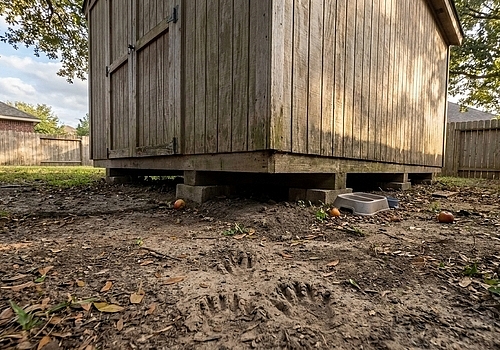
  • Droppings or urine stains in the attic or near entry holes
  • Shredded insulation or nesting material piled in corners
  • Chew marks on wood beams, pipes, or visible wiring
  • Unexplained power outages or flickering lights

Sealing Off Access Points

Prevention starts with making your attic uninviting and inaccessible. That means closing off every possible entry point before squirrels find them. Walk the perimeter of your roofline and look for gaps, cracks, or damaged areas where animals could squeeze through. Squirrels can fit through holes as small as two inches, so even minor openings are a problem.

Use metal flashing or heavy-gauge hardware cloth to seal vents, soffits, and fascia gaps. Avoid chicken wire or lightweight plastic mesh—squirrels chew through those materials easily. If you've got older attic vents, consider upgrading to screened models that allow airflow but block entry. And don't forget to trim back tree branches that hang over or touch your roof. Professional full home exclusion and entry point sealing services can identify vulnerabilities you might miss and ensure comprehensive protection. A squirrel can jump several feet from a branch to a roofline, so keep at least a six-foot buffer zone.

What Not to Do

Trying to trap or remove squirrels yourself is a bad idea for several reasons. First, it's dangerous. Cornered squirrels bite, and their bites can transmit diseases like rabies or leptospirosis. Second, trapping without proper knowledge often means catching the wrong animal, injuring the squirrel, or failing to remove the entire family—leaving babies trapped inside to die and decompose. Third, in Texas, there are legal restrictions on trapping and relocating wildlife, and violating those laws can result in fines.

DIY repellents and ultrasonic devices rarely work. Squirrels adapt quickly to noise-based deterrents, and most chemical repellents lose effectiveness within days. The only reliable solution is physical exclusion combined with professional squirrel removal if animals are already inside.

Steps to Take After Removal

Once the squirrels are out, the real work begins. You'll need to inspect every inch of your attic for damage, contamination, and fire hazards. Start by having a licensed electrician check all visible wiring for chew marks, exposed copper, or compromised insulation. Don't assume everything's fine just because the lights still work—hidden damage can cause problems weeks or months later.

  • Replace any damaged or frayed wiring immediately
  • Remove contaminated insulation and replace with new material
  • Sanitize affected areas to eliminate urine, feces, and bacteria
  • Seal all entry points with durable, chew-proof materials
  • Install barriers or deterrents to prevent future access

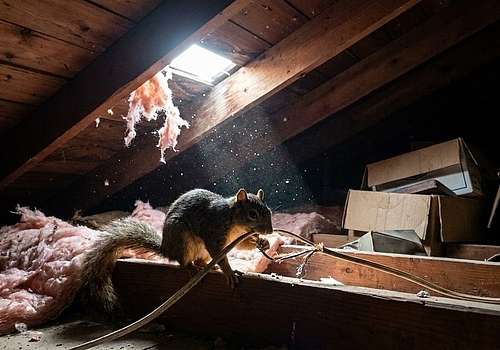
Squirrel damage to attic wiring in Houston home

Professional Help Saves Time and Money

Wildlife removal isn't a weekend project. It requires specialized knowledge, proper equipment, and an understanding of animal behavior. Professional wildlife removal services can safely remove squirrels, identify all entry points, and provide exclusion solutions that actually work. They'll also document the damage, which can help if you need to file an insurance claim.

Electricians trained in residential repair can assess wiring damage and make code-compliant repairs. Trying to patch wires yourself with electrical tape or wire nuts isn't just ineffective—it's illegal in most jurisdictions and voids your homeowner's insurance if something goes wrong. Spend the money upfront and avoid the risk of a house fire or failed inspection down the road.

Ongoing Maintenance Matters

Even after you've sealed your attic and removed the squirrels, the work isn't over. Regular attic inspections—at least twice a year—help you catch new issues before they escalate. Look for fresh chew marks, new entry points, or signs of nesting activity. Check tree growth and trim branches back as needed. Maintain your roof, soffits, and vents to ensure they stay intact and secure.

  • Schedule annual attic inspections with a pest control or wildlife service
  • Monitor your electrical system for unexplained outages or flickering
  • Keep outdoor food sources like bird feeders away from your roofline
  • Repair roof damage immediately to prevent new entry points
  • Stay vigilant during fall and winter when squirrels seek shelter most aggressively

Why Waiting Makes It Worse

Ignoring squirrel activity doesn't make it go away—it makes it multiply. Squirrels breed twice a year, and each litter can include up to eight babies. One squirrel in your attic today can become a family of ten within months. More squirrels mean more chewing, more contamination, and a higher likelihood of serious damage to your home's structure and electrical systems.

The longer squirrels stay, the more entrenched they become. They'll expand nests, create multiple entry points, and establish your attic as a safe haven. Removal becomes harder, more expensive, and more disruptive the longer you wait. Comprehensive attic cleanup and sanitation becomes necessary when infestations persist, addressing contamination and restoring your attic to safe conditions. Catching the problem early is always cheaper and safer than dealing with an infestation later.

Your Attic Isn't a Wildlife Refuge

Squirrels chewing wires in your Houston attic isn't just an annoyance—it's a hazard that demands immediate attention. Their biological need to gnaw, combined with Houston's climate and urban landscape, creates a perfect recipe for property damage and fire risk. We've seen too many homeowners wait until the damage is done, and by then, the repair bills are staggering and the danger is real. Seal your attic, inspect regularly, and bring in professionals when needed. Your home's safety depends on it, and so does your peace of mind.

Let’s Protect Your Home Together

We know how stressful it can be to worry about squirrels turning your attic into a hazard zone. Let’s work together to keep your home safe, secure, and squirrel-free. If you’re hearing noises overhead or suspect chewed wires, don’t wait for the problem to get worse—call us at 832-834-8206. Ready to take the next step? schedule a free consultation and let’s make sure your attic stays protected year-round.


‹ Back

Get Your Free Wildlife Inspection in Houston Today

If you're hearing noises, scratching, seeing damage, or suspect wildlife in your attic or walls, don't wait. We offer fast, honest inspections with real solutions that fix the problem.