




Unusual Movement in Your Attic or Walls? We Handle it the Right Way – PERMANENTLY.

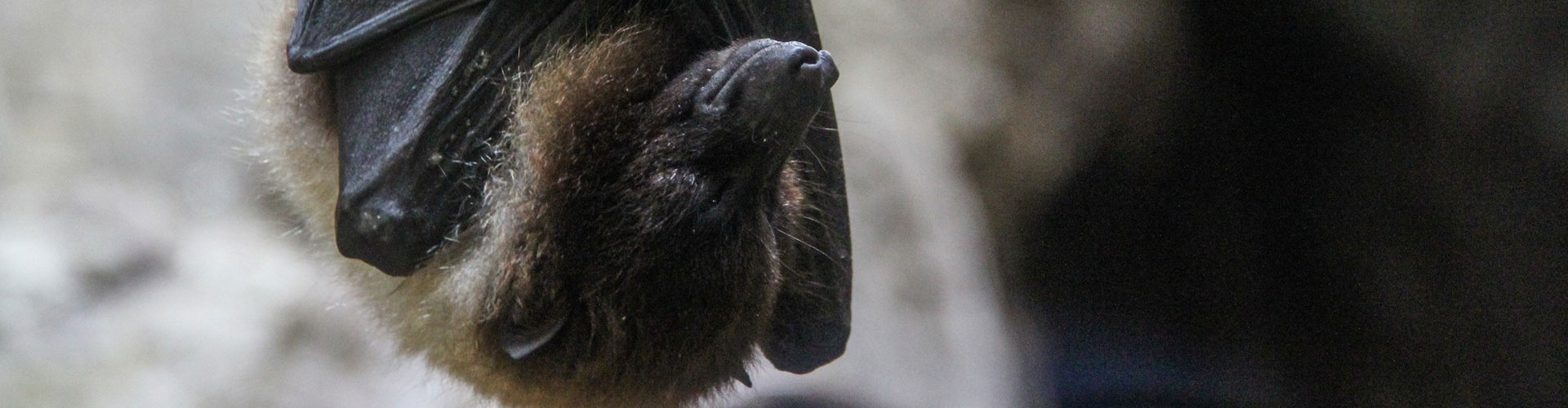
From a tree, a bat is handled by CritterProof through bat removal services.

How Do Raccoons Get Into Homes in Houston?

Published October 12th, 2026 by CritterProof Wildlife Removal

Houston homes practically roll out the welcome mat for raccoons — and most owners don't even know it. Between the humidity, the tree canopy, and the mountain of trash bags everyone leaves on the curb, the city's a buffet with complimentary lodging. Raccoons don't just wander in by accident. They scout. They test. And once they find a weak spot, they exploit it until your attic becomes their personal nursery.

How Do Raccoons Get Into Homes in Houston?

The problem isn't that raccoons are dumb. It's that they're not. These animals have nimble paws, sharp memories, and zero respect for your property line. If you're waiting for them to decide your house isn't worth the effort, you're going to be waiting a long time. The better move? Know how they're getting in — and close the door before they do.

Why Houston Homes Are Raccoon Magnets

Raccoons aren't picky, but they're strategic. They go where the resources are. In Houston, that means neighborhoods with mature oaks, unsecured garbage, and homes built before anyone cared about wildlife-proofing. Pet bowls left outside overnight? Gold mine. Koi ponds and bird feeders? Even better. Add in a humid climate that keeps bugs and small prey active year-round, and you've got prime real estate from a raccoon's perspective.

Once they locate food, they start looking for shelter. Attics are warm, dry, and usually undisturbed. Crawl spaces are low-traffic and protected. And if your roof has even one compromised shingle or gap in the soffit, that's all the invitation they need. Houston's weather doesn't help — wood rots, seals crack, and what started as a minor flaw becomes a raccoon-sized opening. Professional critter-proofing your home can prevent these entry points from developing into serious access routes.

The Spots They Target First

Raccoons don't break down doors. They look for vulnerabilities and then widen them with their claws or teeth. Here's where they focus their attention in Houston homes:

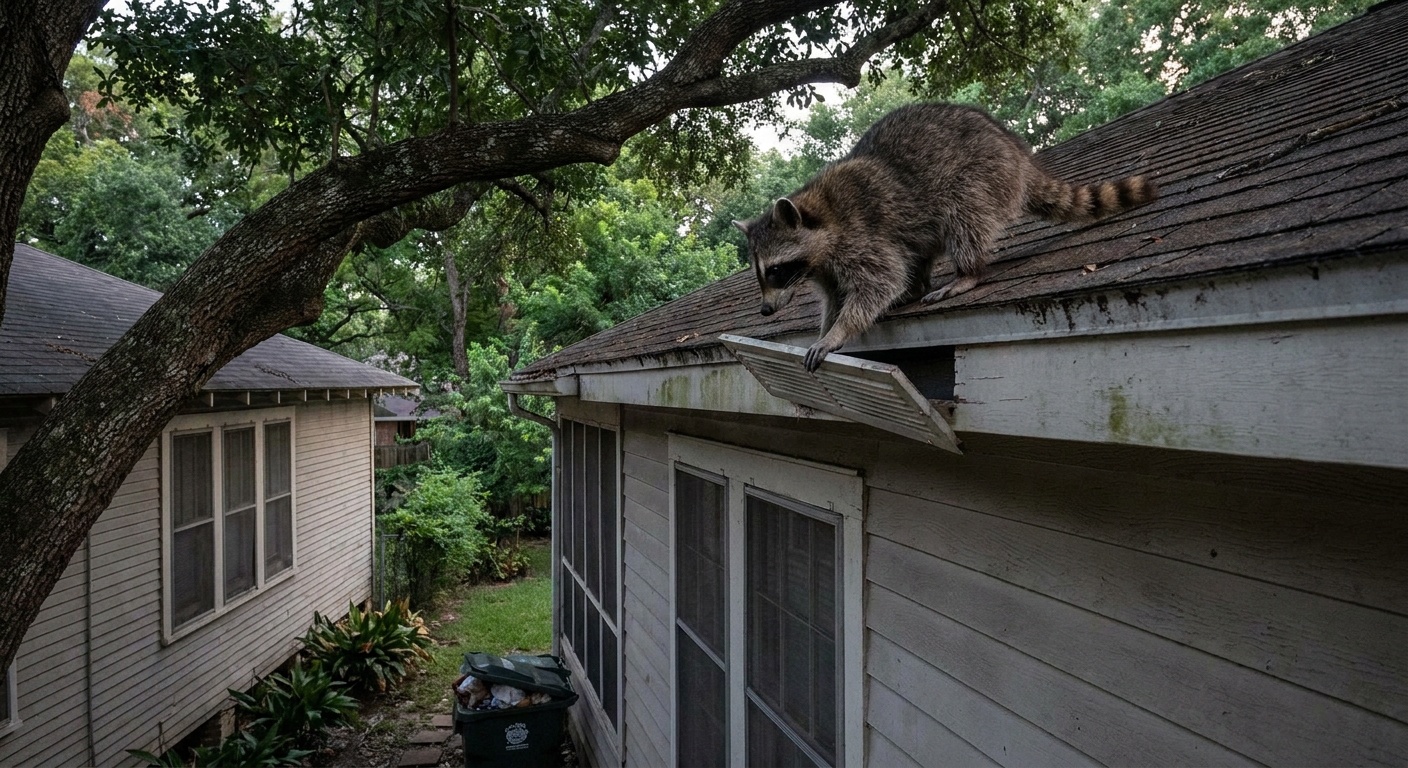
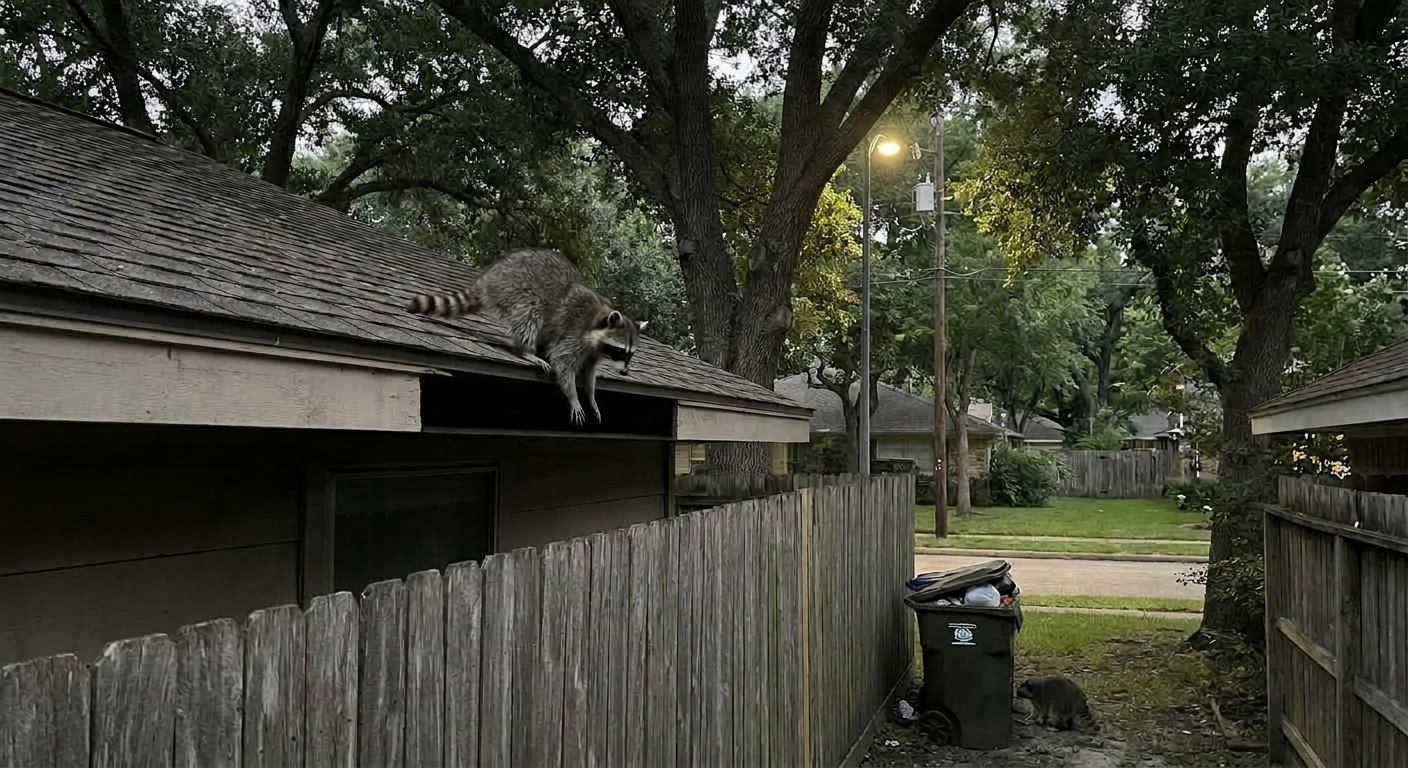
  • Roof edges and soffits: These areas are often the weakest link. If the wood's rotted or the seal's loose, raccoons will pry it open and climb straight into the attic.
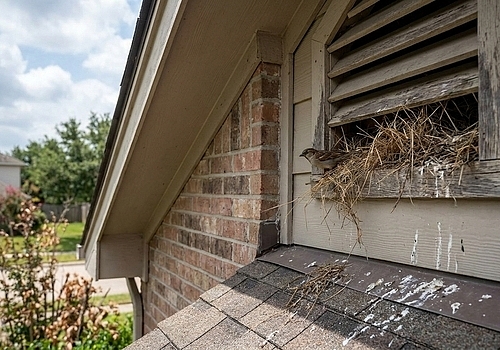
  • Attic vents: Standard mesh won't stop a determined raccoon. They'll tear through flimsy screens like tissue paper, especially if they hear movement inside or smell warmth.
  • Chimneys without caps: Open chimneys are basically raccoon elevators. They'll climb down, set up shop, and you won't know until you hear scratching or smell the mess.
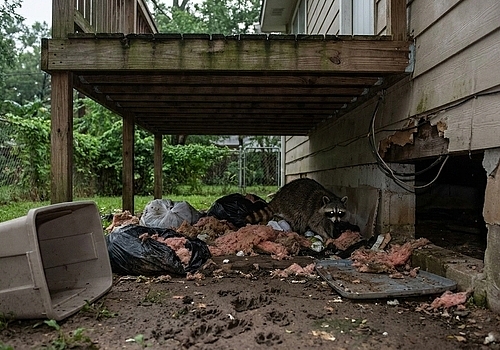
  • Foundation gaps and crawl space vents: Older homes in Houston often have cracks or missing vent covers. Raccoons can squeeze through openings as small as four inches if they're motivated.
  • Pet doors: If it's big enough for your dog, it's big enough for a raccoon. They've been known to watch pets enter and exit, then mimic the motion once the coast is clear.

How They Bypass Your Defenses

Raccoons have hands. Not paws — hands. They can turn knobs, unlatch gates, and pry open containers with surprising force. If your barrier relies on a single weak fastener or a piece of rotting wood, they'll figure it out. And if they can't force their way through on the first night, they'll come back and try again.

Houston's climate accelerates the decay of building materials. What held strong five years ago might be crumbling now. Regular inspections matter, because raccoons are running their own inspections every night. They're looking for rust, rot, and gaps — and they're patient. A thorough attic inspection can identify these vulnerabilities before raccoons exploit them.

The Warning Signs You're Already Hosting Them

If raccoons have made it inside, you'll notice. Here's what to look for:

  • Heavy thumping or scratching sounds in the ceiling after dark
  • Torn vents, displaced shingles, or bent soffit panels
  • Foul odors coming from the attic or walls
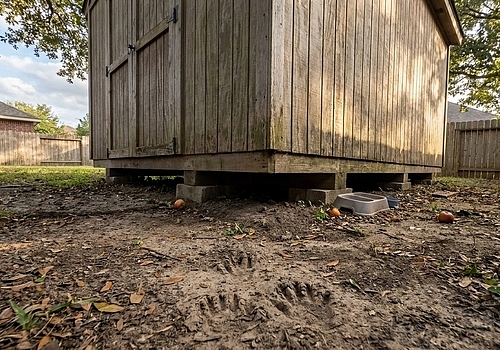
  • Greasy streaks or muddy prints near potential entry points
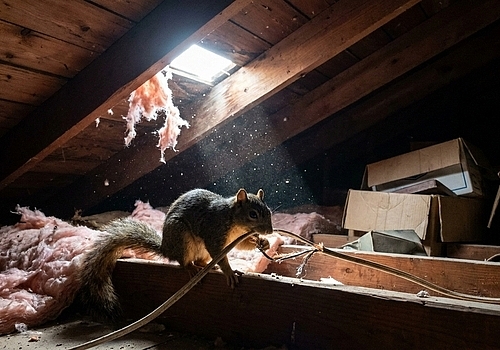
  • Shredded insulation or piles of nesting material

Cutting Off Access Before They Get Comfortable

Prevention beats removal every time. If you're serious about keeping raccoons out, you need to eliminate both the attraction and the opportunity. That means controlling food sources, securing entry points, and making your property less inviting than the neighbor's.

Start by locking down anything edible. Trash cans need lids that latch, not just rest on top. Pet food goes inside at night. Bird feeders come down or get moved far from the house. Compost bins should be sealed and relocated if possible. The less accessible food you have, the less reason raccoons have to stick around. Implementing full home exclusion entry point sealing ensures long-term protection against wildlife intrusion.

The Repairs That Actually Hold Up

  • Install heavy-gauge wire mesh over attic vents and crawl space openings
  • Cap chimneys with steel or aluminum covers designed for wildlife exclusion
  • Replace rotted wood around soffits and roof edges with pressure-treated lumber
  • Seal foundation cracks with concrete or metal flashing, not foam or caulk alone
  • Trim tree branches back at least six feet from the roofline to eliminate easy climbing routes

Professional roof vent repairs and siding shingle repairs are essential to maintaining wildlife-resistant barriers that raccoons can't breach.

When You Need to Bring in Help

If raccoons are already inside, don't try to handle it yourself. They can be aggressive when cornered, and they carry diseases like rabies and raccoon roundworm. A licensed raccoon removal professional knows how to evict them safely, inspect for damage, and secure the home properly. Trying to trap them without a permit is illegal in Texas, and doing it wrong can make the problem worse.

Most pros will also check for babies. Female raccoons often give birth in Houston attics between late winter and early summer. If you seal up the entry point without removing the young, you'll have a mess on your hands — and a dead animal odor you can't fix with air freshener.

Raccoon entering Houston home through attic vent

Why Waiting Only Makes It Worse

Raccoons don't improve with time. They shred insulation, chew wiring, and leave droppings that carry parasites. The longer they stay, the more damage they do — and the harder it becomes to clean up. Houston's heat and humidity make contaminated attics even worse, turning them into breeding grounds for mold and bacteria. Professional attic cleanup sanitation is often required after an infestation to restore your home to safe conditions.

On top of that, raccoons are territorial. Once they claim your attic, they'll defend it. And if they have a litter, they'll stay put for weeks. The window to act is narrow, and it closes fast.

Lock It Down or Live With It

Raccoons are smart, relentless, and perfectly adapted to life in Houston. They'll keep testing your home until they find a way in — or until you make it impossible. The choice is yours. Secure the entry points, remove the food sources, and inspect regularly. Or leave things as they are and hope for the best. But hope isn't a strategy, and raccoons don't take hints. They take what's available, and they don't ask permission.

Let's Keep Houston Homes Raccoon-Free

We know how important it is to protect your home and your peace of mind from persistent raccoons. If you’re ready to put an end to unwanted wildlife guests, let’s work together to secure every entry point and restore your comfort. Give us a call at 832-834-8206 or schedule a free inspection—we’re here to help you reclaim your space for good.


‹ Back

Get Your Free Wildlife Inspection in Houston Today

If you're hearing noises, scratching, seeing damage, or suspect wildlife in your attic or walls, don't wait. We offer fast, honest inspections with real solutions that fix the problem.