



Unusual Movement in Your Attic or Walls? We Handle it the Right Way – PERMANENTLY.

Wildlife Removal Tips & Info | Houston

Animal in Attic Removal Done Right

Published March 18th, 2026 by CritterProof Wildlife Removal

You usually hear it before you see any proof. Scratching above the ceiling at 2 a.m. Heavy movement over the garage. A strong odor that was not there last week. When that starts, most homeowners are not wondering what wildlife species it is. They want the problem out of the house and fixed before it gets worse.

That is the real issue with attic wildlife. The animal is only part of the problem. Nesting, droppings, chewed wiring, torn insulation, contaminated areas, and the open gap that let it in are what turn a bad night into an expensive home repair. Good animal in attic removal is not just about getting one animal out. It is about solving the source of entry so the same problem does not come back next month.

Why animal in attic removal has to be more than trapping

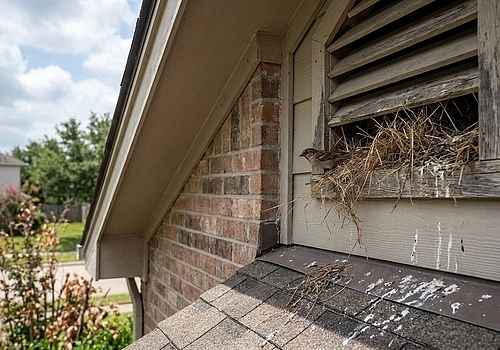
A lot of homeowners call after trying the temporary route first. Maybe someone set a trap, removed one raccoon, or caught a squirrel and left. Then the noise returned. That happens because wildlife rarely gets into an attic by accident. There is usually a roof gap, soffit break, vent opening, construction seam, or utility access point that has already become a reliable entry route.

If that opening stays in place, another animal can move in fast. In Houston-area neighborhoods, that is common with squirrels, rats, raccoons, opossums, and sometimes bats or snakes. One removal without exclusion is often just a pause in the problem.

That is why the right approach starts with a full inspection. You need to know what animal is present, whether there are babies or nesting activity, how long the issue has been going on, what damage has already happened, and exactly where the home is vulnerable. Without that, removal is incomplete.

What animals in Houston attics are really doing up there

Attics offer shelter, warmth, darkness, and protection from predators. For wildlife, it is a safe nesting space. For homeowners, it is one of the worst places to have an intrusion because damage can build quietly for weeks before anyone notices.

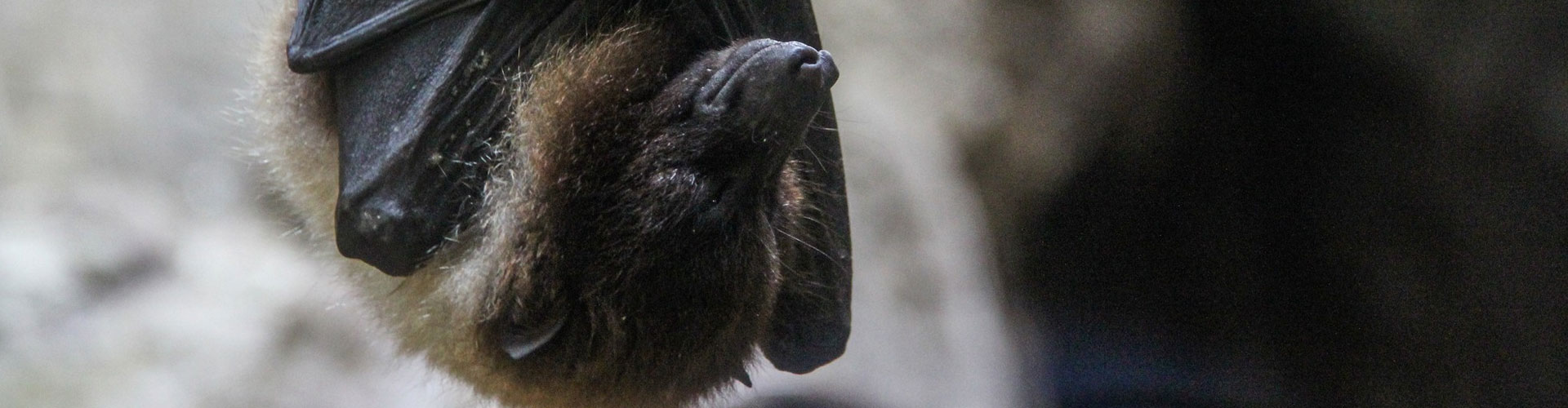
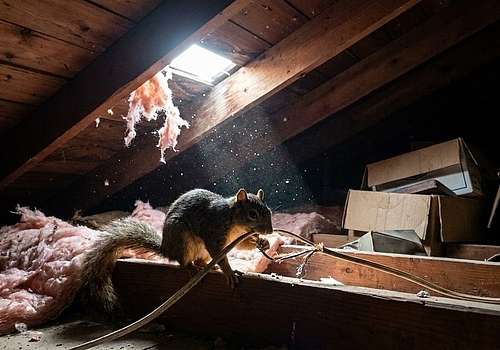
Raccoons can rip open weak areas and flatten insulation while creating latrine sites. Squirrels often chew wood and wiring and keep returning to familiar nesting spots. Rats spread contamination quickly, especially around insulation and stored items. Bats create odor and droppings issues that can affect air quality. Even when the animal seems small, the risk to the structure is not.

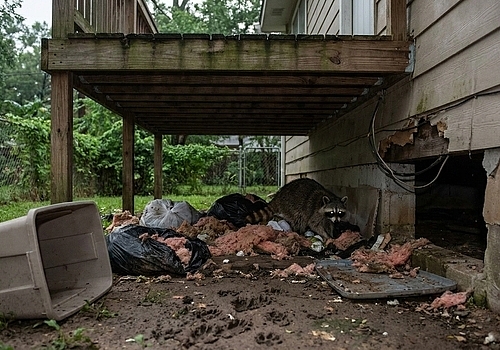
The longer the activity continues, the more likely you are to deal with stained ceilings, ruined insulation, foul odors, and secondary pests. In some cases, homeowners first notice the problem only after a dead animal smell starts moving through the vents. At that point, removal is only one part of the job. Cleanup and sanitation matter too.

Signs you need animal in attic removal now

Some signs are obvious. Others are easy to dismiss until the problem grows. Nighttime movement, scratching, chirping, thumping, and strong odors all deserve attention. So do visible droppings in the attic, insulation that looks disturbed, grease marks near access points, and damage around roof edges or vents.

There is also a timing factor. If noises increase at dawn or dusk, squirrels or bats may be involved. If you hear heavier movement at night, raccoons or rats are more likely. Baby noises often mean nesting is active, which changes how removal should be handled. Humane removal matters most when young animals are present because separating a mother from her litter creates a worse problem inside the structure.

If you are unsure, that is exactly why a professional inspection matters. Guessing leads to bad decisions, and bad decisions usually lead to repeat work.

How professional animal in attic removal should work

The process should be straightforward and thorough. First comes inspection. That means checking the attic, roofline, vents, eaves, soffits, and other likely access points to identify both active entry and secondary vulnerabilities.

Next comes humane removal based on the species and conditions inside the home. That may involve one-way devices, live trapping where appropriate, hand removal of young, or other species-specific methods. The goal is to remove the animals safely without creating additional problems inside the home.

After removal, the most important step begins: exclusion. This is where long-term results are won or lost. Gaps, broken vents, roof returns, construction voids, and chew openings need to be sealed with durable materials that actually hold up. Cosmetic patching is not enough. If the work cannot withstand wildlife pressure, the problem is still open.

Then comes cleanup and sanitation if contamination is present. Soiled insulation, droppings, urine-damaged areas, nesting debris, and odor sources should be addressed so the attic is safe and usable again. Depending on the situation, insulation replacement may also be part of the solution.

That full process is what fixes the issue the right way. Removal alone is not the finish line.

Animal in attic removal and prevention go together

This is where many wildlife companies fall short. They focus on catching what is inside but do not secure the house against what comes next. Homeowners end up paying twice because the structure was never made resistant to re-entry.

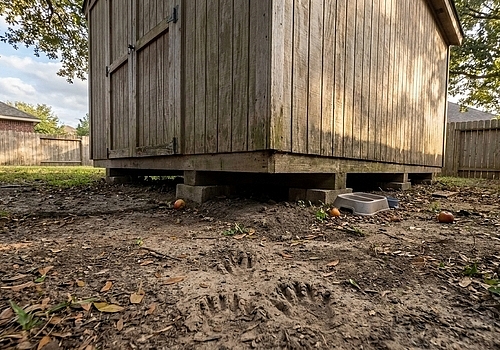
Long-term prevention means treating the home like a system. If one vent is open, other weak areas may be close behind. If roof rats are using overhanging branches and utility lines, the inspection should account for travel patterns, not just the final hole. If raccoons pulled open one section of soffit, nearby sections may already be loose.

It depends on the age of the home, prior repairs, roof design, and the species involved. A newer home can still have construction gaps. An older home may have multiple vulnerable areas. The right plan is not one-size-fits-all. It is built around where the animals got in, why they chose that space, and what will stop them from coming back.

Why DIY usually makes attic wildlife problems worse

Most homeowners are not calling for attic wildlife help because they want a weekend project. They are calling because they want the risk handled correctly. That is a smart instinct.

Store-bought traps and repellents rarely solve attic infestations for long. Repellents tend to fail. Traps may catch the wrong animal, leave young behind, or miss the actual entry pattern. Sealing holes too early can trap animals inside walls or force them deeper into the home. With bats and some other species, legal and seasonal restrictions may also apply.

There is also the safety side. Attics can contain contaminated insulation, parasites, sharp debris, and unstable footing. Add an agitated wild animal, and the risk goes up fast. Homeowners are usually better served by a professional who can inspect, remove, clean, and seal in the right order.

What Houston homeowners should expect from a wildlife company

You should expect more than a trap and a bill. A reliable company should explain what animal is present, show where it entered, identify any additional openings, and lay out what it will take to stop the problem long term.

You should also expect humane handling, clear communication, and a real exclusion plan. If cleanup is needed, that should be discussed plainly. If the home needs repairs to secure the attic, those repairs should be part of the solution, not left as an afterthought.

For homeowners in Houston, Spring, Cypress, Tomball, The Woodlands, and Conroe, speed matters too. Wildlife damage does not sit still. A free inspection, same-day availability when possible, and written warranty protection are not extras. They are signs that the company understands the urgency and stands behind the work.

At CritterProof Wildlife Removal, that is the standard approach because permanent results come from finding the entry points, removing the animals humanely, cleaning the affected space, and sealing the home so wildlife cannot return.

The cost question most homeowners are really asking

Most people ask what animal in attic removal costs, but what they really want to know is whether the problem will finally be over. The answer depends on the species, number of animals, accessibility, contamination, and how much exclusion work the home needs.

A smaller rat issue with limited entry points is different from a raccoon den with damaged insulation and multiple roofline openings. The cheaper option upfront is not always the lower-cost solution overall. If the first job does not include proper sealing, cleanup, and follow-up, homeowners often end up paying more after repeat intrusions.

The better question is whether the service addresses the full problem or just the visible part of it.

If you are hearing movement overhead or smelling something off in the attic, do not wait for more damage to confirm what you already know. The safest next step is a professional inspection that leads to removal, repair, and prevention all in one plan.


‹ Back

Get Your Free Wildlife Inspection in Houston Today

If you're hearing noises, scratching, seeing damage, or suspect wildlife in your attic or walls, don't wait. We offer fast, honest inspections with real solutions that fix the problem.