



Unusual Movement in Your Attic or Walls? We Handle it the Right Way – PERMANENTLY.

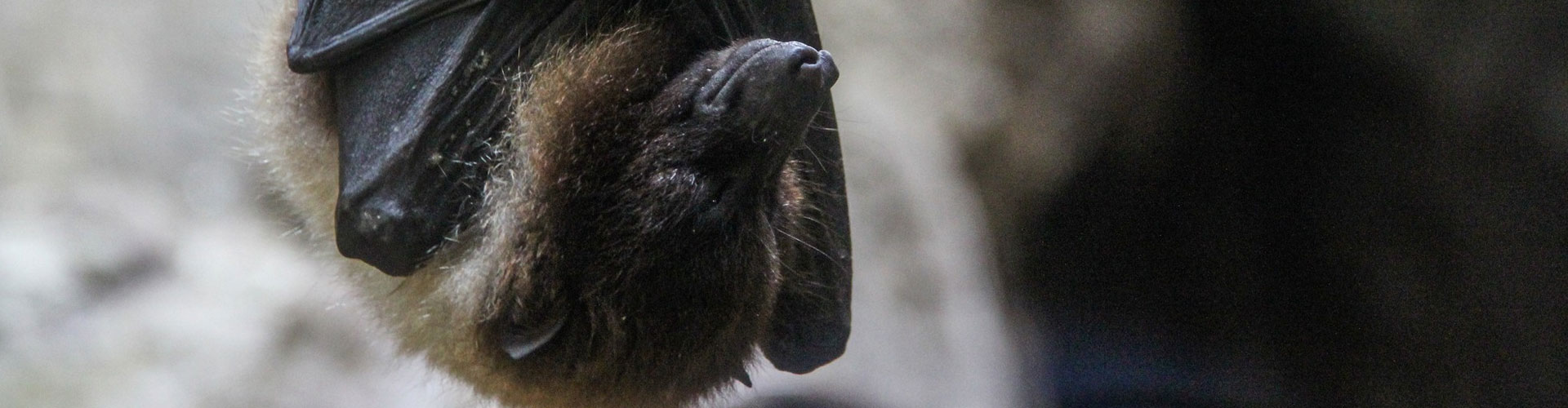
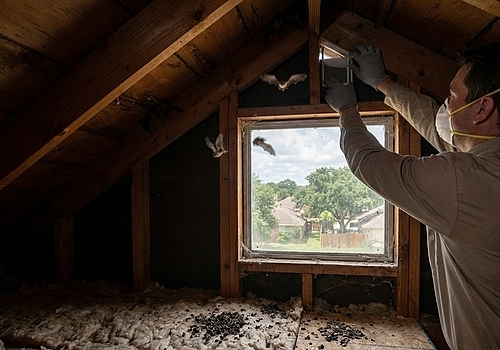
From a tree, a bat is handled by CritterProof through bat removal services.

Raccoon in Your Attic in Houston? Here's What to Do Next

Published April 16th, 2026 by CritterProof Wildlife Removal

Most homeowners think a raccoon in the attic is just a noise problem. Scratching overhead, maybe some thumping at night. But these animals don't just make noise — they tear through insulation, chew wiring, and leave waste that carries disease. If you've got one up there, you're not dealing with a guest. You're dealing with structural damage, health risks, and a ticking clock before things get worse.

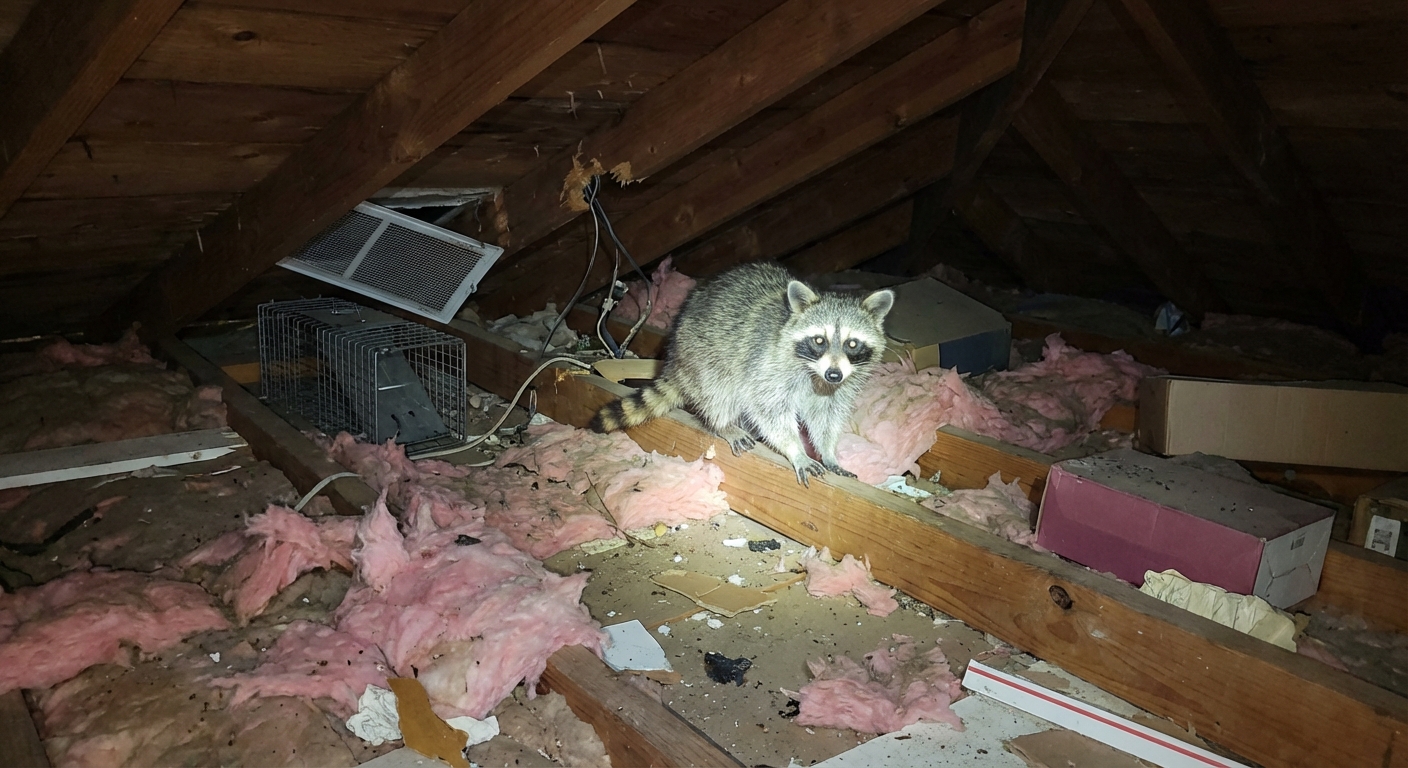
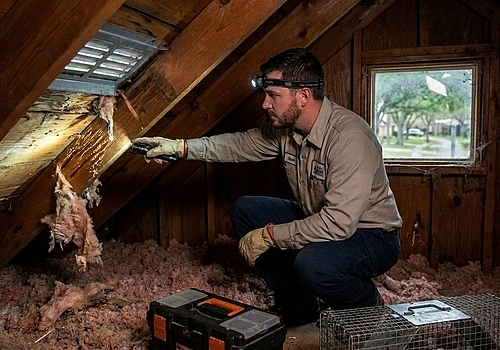
Attic raccoon activity is addressed by CritterProof with attic wildlife removal in Houston, Texas.

So here's the reality. Raccoons are smart, stubborn, and surprisingly strong. They didn't wander into your attic by accident. They found a way in, and they'll keep using it unless you shut it down for good. Every day you wait is another day of damage piling up — and another chance for babies to arrive, which complicates everything.

Don't Go Up There Yourself

Your first instinct might be to grab a flashlight and check it out. Don't. Raccoons can be aggressive when cornered, especially mothers with young. They bite, they scratch, and they carry rabies. Even if the animal doesn't attack, the droppings and urine in your attic are loaded with pathogens that can make you seriously ill.

Instead, stay out of the space and observe from the outside. Look for entry points around your roofline — damaged vents, gaps in the soffit, loose shingles. Take note of what you see, but don't block anything yet. Trapping a raccoon inside your attic only makes the problem worse.

Call Someone Who Knows What They're Doing

Wildlife removal isn't a DIY project. It's a job for licensed professionals who understand animal behavior, local regulations, and humane removal techniques. In Houston, there are plenty of companies that specialize in this — and the good ones won't just pull the raccoon out and leave. They'll inspect your home, identify how it got in, and make sure it doesn't happen again.

When you're vetting services, ask about their methods. Humane wildlife removal should be standard. So should follow-up inspections and exclusion work. If a company promises a quick fix without addressing entry points, keep looking.

The Health Risks Are Real

Raccoons carry more than just rabies. Their droppings can contain roundworm eggs that become airborne when disturbed. Breathing that in can lead to serious neurological damage. Their urine spreads leptospirosis, which affects the liver and kidneys. And if they've been living in your attic for weeks, the contamination isn't limited to one corner.

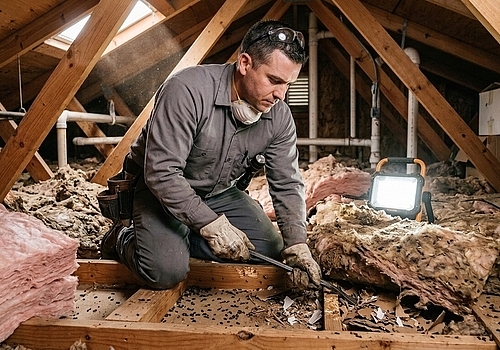
This is why cleanup matters just as much as removal. You can't just sweep up the mess and call it done. Contaminated insulation needs to come out. Surfaces need disinfecting. And if you're not wearing proper protective gear, you're putting yourself at risk. Most professionals offer attic cleanup sanitation services — and if yours doesn't, hire someone who does.

Seal Every Gap Before They Come Back

Once the raccoon is gone and the attic is clean, it's time to lock down your home. Raccoons are persistent, and if they've already found a way in, they'll try again. Walk your roofline and check every vulnerable spot.

  • Roof vents that aren't covered with heavy-gauge mesh
  • Chimneys without caps or screens
  • Gaps around eaves or fascia boards
  • Loose or missing shingles near the roofline
  • Tree branches that hang within six feet of your roof

Use durable materials — not caulk or foam that raccoons can rip through. Install metal flashing where needed. Trim back trees. Make your home as uninviting as possible.

Cleanup Isn't Optional

Even after the raccoon is gone, your attic isn't safe until it's been properly sanitized. Feces, urine, nesting materials — all of it needs to go. And you can't just bag it up and toss it. Contaminated insulation has to be handled carefully to avoid spreading pathogens.

If you're doing this yourself, wear a respirator, gloves, and protective clothing. Bag everything in heavy-duty plastic and dispose of it according to local regulations. Then disinfect every surface with a solution designed to kill bacteria and viruses. If that sounds like a lot of work, it is. That's why most people hire it out.

Watch for Signs They're Back

Just because you've sealed the entry points doesn't mean you're done. Raccoons are resourceful, and they'll test your repairs. Keep an ear out for scratching or thumping. Check your attic periodically for new droppings or torn insulation. Inspect the exterior of your home every few months to catch damage before it becomes an access point.

  • Unusual noises at night, especially scratching or chattering
  • New droppings or urine stains in the attic
  • Damaged vents or soffit panels
  • Tracks or smudge marks along the roofline
  • Foul odors coming from above the ceiling

If you spot any of these, don't wait. Call your raccoon removal company and get it handled before it escalates.

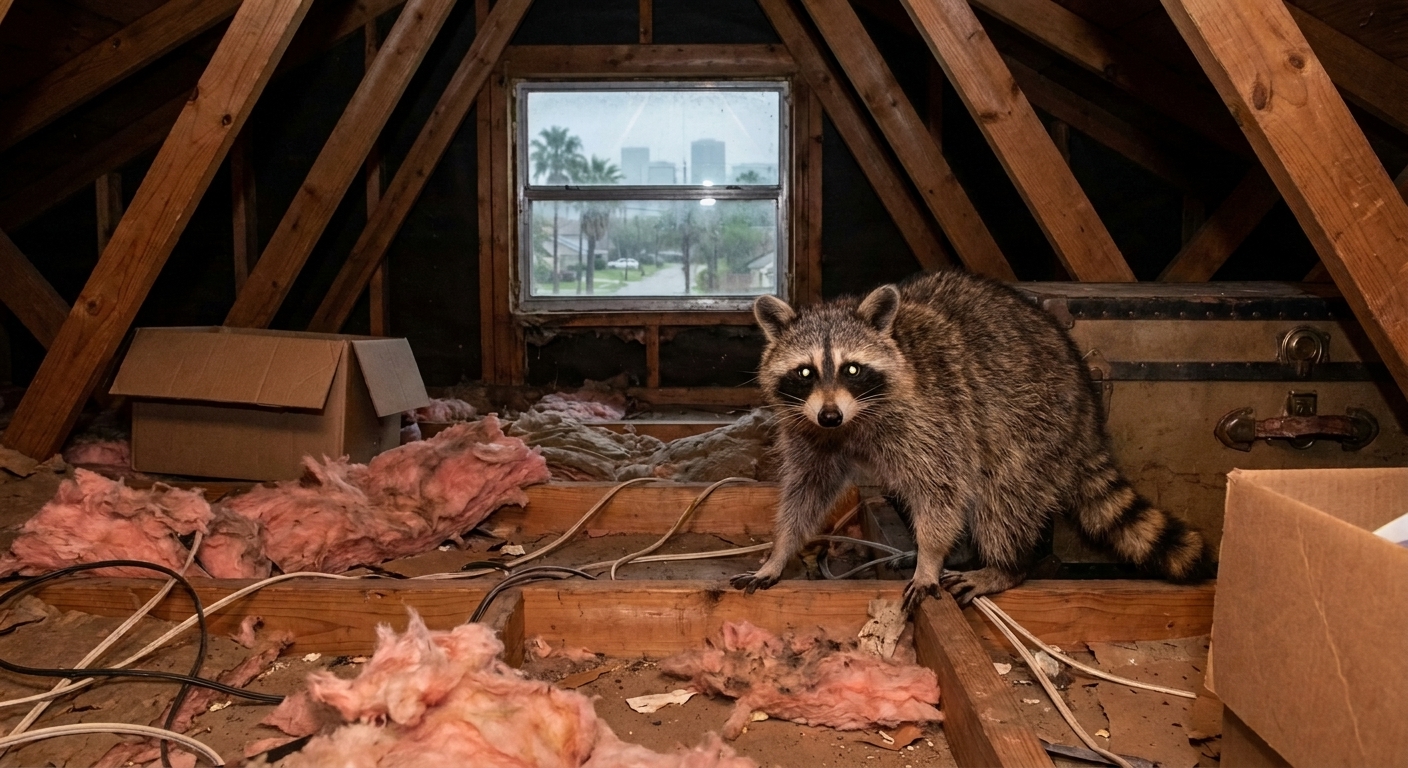
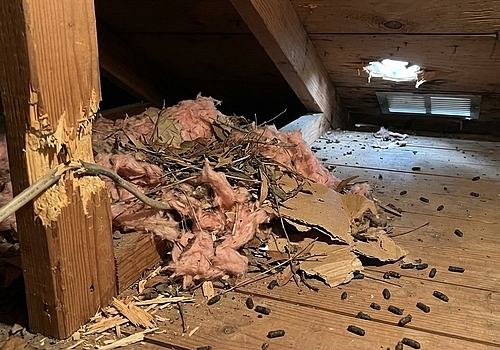
Raccoon attic removal in Houston - what to do next

Your Neighbors Probably Have the Same Problem

Raccoons don't limit themselves to one house. If you've got them, chances are someone else on your block does too. Share what you've learned — how you handled removal, what entry points you found, which company you used. The more people who take preventive action, the fewer raccoons will stick around the neighborhood.

  • Secure trash cans with locking lids
  • Bring pet food indoors at night
  • Don't leave birdseed or fallen fruit on the ground
  • Keep compost bins sealed and away from the house

Raccoons go where the food is. Cut off the supply, and they'll move on.

Why Speed Matters

The longer a raccoon stays in your attic, the more damage it does. Chewed wires can cause electrical fires. Torn insulation drives up your energy bills. And if a mother gives birth up there, you're not dealing with one animal anymore — you're dealing with a litter that won't leave until they're old enough to survive on their own.

That's weeks of additional damage. Weeks of health risks. And weeks of noise that'll keep you up at night. The faster you act, the less you'll pay in repairs and the sooner you'll have your home back.

Don't Wait for It to Get Worse

Raccoons don't leave on their own. They don't get bored and move out. They stay until something forces them out — and by then, the damage is done. If you've heard scratching, seen droppings, or noticed a foul smell, you already know what's happening. The question is whether you're going to handle it now or wait until the problem doubles.

We've seen homeowners put this off for months, thinking it'll resolve itself. It never does. The attic gets worse. The bills get higher. And the raccoons get comfortable. Don't be that homeowner. Make the call, get the professionals in, and shut it down before it costs you more than it has to.

Let’s Protect Your Home Together

We know how stressful it is to discover raccoons in your attic, but you don’t have to face it alone. Let’s work together to restore your peace of mind and keep your home safe for good. If you’re ready to take action, call us at 832-834-8206 or schedule a free inspection—we’re here to help you reclaim your attic and prevent future problems.


‹ Back

Get Your Free Wildlife Inspection in Houston Today

If you're hearing noises, scratching, seeing damage, or suspect wildlife in your attic or walls, don't wait. We offer fast, honest inspections with real solutions that fix the problem.