



Unusual Movement in Your Attic or Walls? We Handle it the Right Way – PERMANENTLY.

Wildlife Removal Tips & Info | Houston

How to Stop Wildlife Damage at Home

Published March 15th, 2026 by CritterProof Wildlife Removal

That scratching in the attic at 2 a.m. is not a small problem. Neither is the torn soffit, the chewed wiring, or the smell drifting out of the wall cavity. When wildlife gets into a house, damage starts fast and usually gets worse long before the animal is ever seen.

For Houston-area homeowners, this is rarely a one-time nuisance. Rats, squirrels, raccoons, bats, and other animals do not wander in by accident and leave on their own because the weather changes. They come in for shelter, nesting space, and safety. If the opening that let them in is still there, the problem comes back.

If you want to stop wildlife damage to house structures, insulation, wiring, and living spaces, the real solution is not just removal. The real solution is finding how they got in, dealing with the animals humanely, cleaning up the contamination, and sealing the home so they cannot return.

Why wildlife damage gets expensive so quickly

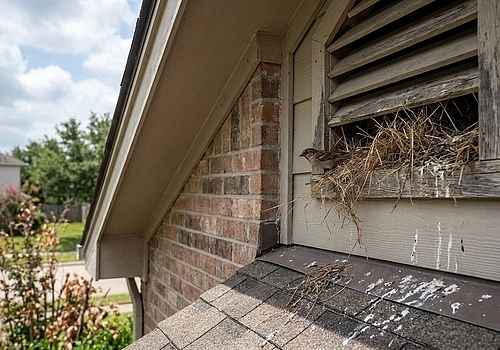
Most homeowners first notice the noise. The real cost is usually hidden. Animals tend to enter through rooflines, attic vents, eaves, crawl space gaps, utility penetrations, and weak construction joints. Once inside, they do not stay neatly in one spot.

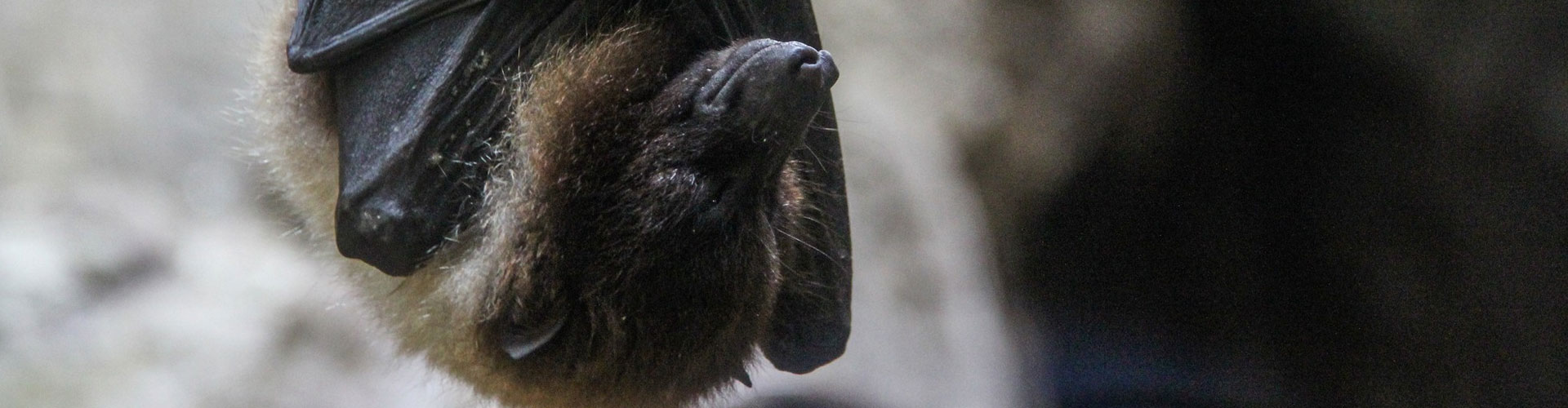
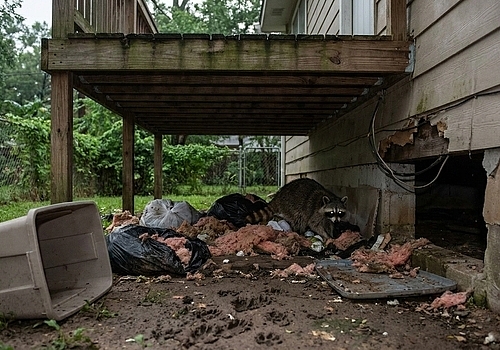
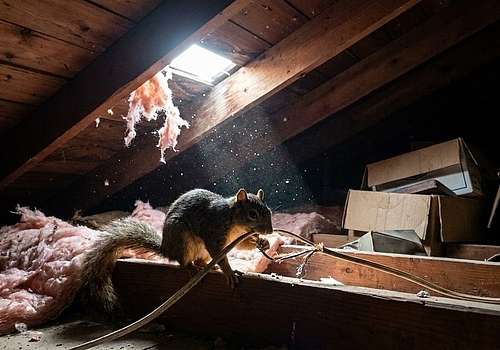
Rats and squirrels chew. That can mean damaged electrical wiring, torn ductwork, shredded insulation, and gnawed wood. Raccoons can rip open soffits, tear shingles, crush insulation, and contaminate attics with urine and feces. Bats leave droppings that build up over time and create odor and sanitation concerns. Even smaller animals can cause major repair bills when they stay undisturbed for weeks.

The longer the activity continues, the more the job shifts from removal to restoration. What could have been a small exclusion repair becomes insulation replacement, sanitation work, and structural repair. That is why timing matters.

The signs you should not ignore

Wildlife problems often show up before you ever see the animal. Scratching, running, rolling, or chirping sounds in the attic or walls are common early warnings. So are stains on ceilings, strong odors, droppings in the garage or attic, and damaged vent screens.

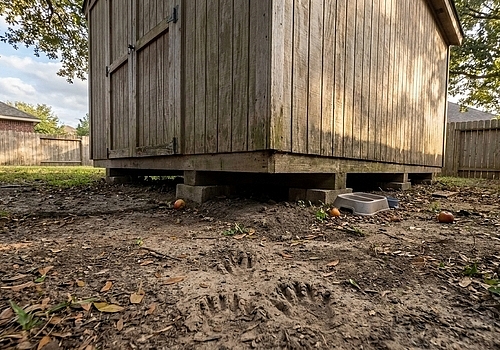
Outside, look for bent attic vent covers, gaps along the roof edge, torn shingles, loose fascia, open weep holes, and rub marks near entry points. If you notice pet food disappearing, insulation sticking out of a roofline opening, or trails along fence lines and utility routes, that can also point to active wildlife pressure.

Some signs depend on the species. Rats often leave greasy rub marks and small droppings. Squirrels are more likely to be active during the day and may be heard running overhead in the morning. Raccoons are strong enough to pull apart weak materials and usually leave more obvious structural damage. Bats may leave staining around narrow gaps where they enter and exit.

How to stop wildlife damage to house problems the right way

The biggest mistake homeowners make is focusing only on the animal they heard last night. The real issue is access. If the house still has vulnerable openings, another animal can move in even after trapping or removal.

A proper fix starts with a full inspection. Not a quick glance from the driveway. A real inspection checks the roofline, attic, vents, soffits, eaves, crawl space, siding transitions, and all common wildlife entry points. It should identify active access, secondary openings, nesting areas, damage, and contamination.

From there, the work usually happens in the right sequence. First, the animals are removed using humane methods that fit the species and the situation. Then any young or nesting activity has to be addressed carefully. After that, damaged or vulnerable entry points are sealed with materials that hold up, not temporary patchwork. If the attic or wall spaces are contaminated, cleanup and sanitation follow.

That order matters. If you seal too early without confirming activity and nest conditions, you can trap animals inside. If you remove animals without sealing the house, the problem often starts over.

Why quick fixes usually fail

A trap-only approach sounds easy, but it rarely solves recurring wildlife issues. You may catch one rat and still have an active roof entry. You may remove a raccoon and leave behind a torn soffit that attracts the next one. You may hear quiet for a few days and assume the problem is over, while young animals remain in the attic.

Store-bought repellents are another common dead end. Some products create a temporary disturbance, but they do not close access points or remove nesting material. The same goes for noise machines, lights, and scent deterrents. Wildlife that has already established shelter inside a house is often willing to tolerate a lot.

Even repair work can fail if it is not designed for exclusion. A basic handyman patch may close one visible hole but miss the construction gaps nearby. Animals are persistent. If the repair material is weak or the inspection was incomplete, they test the structure again.

Houston homes have specific wildlife pressure points

In the greater Houston area, homes deal with a mix of heat, storms, humidity, mature trees, and varied construction styles. That creates ideal conditions for wildlife intrusion. Roof returns, attic vents, chimney gaps, garage line separations, and areas where utilities enter the home are all common weak spots.

Tree branches hanging over a roof do not automatically cause an animal problem, but they do make access easier for squirrels and roof rats. Heavy rain can also expose weak exterior materials or shift animals toward drier shelter inside attics and wall cavities. Older homes may have more worn construction gaps, while newer homes can still have poorly protected venting or unfinished exclusions around roof features.

That is why every house needs its own inspection. There is no one-size-fits-all wildlife fix. The right plan depends on the species, the construction type, the number of entry points, and how long the activity has been happening.

What a long-term solution should include

If you are hiring help, the goal should be permanent protection, not a short quiet period. A real wildlife service should identify the source of the problem, not just respond to symptoms. That means detailed inspection, humane removal, entry-point sealing, and cleanup when needed.

It also means using durable exclusion materials and backing the work with accountability. Written warranties matter because they show the company is standing behind the repair strategy, not just the removal visit. Same-day availability can matter too, especially when a raccoon has torn into the attic or rats are actively chewing inside the walls.

For homeowners who want the problem fixed the right way, long term, this is where a professional exclusion company stands apart from basic pest control or trap-only operators. The objective is not to remove one animal. It is to restore the home as a protected structure.

When to call for help instead of waiting

If you hear repeated noise in the attic or walls, see droppings, notice a strong odor, or find visible entry damage, waiting usually costs more. Wildlife activity tends to spread. Nesting increases. Contamination builds. Chewing and tearing continue.

There are also safety concerns. Some animals become defensive when young are present. Attics can contain contaminated insulation, unstable footing, and exposed wiring. Bat and rodent waste should be handled carefully. This is not the kind of problem that improves with time.

For Houston homeowners, the safest move is to get the property inspected while the damage is still manageable. A free inspection from a company like CritterProof Wildlife Removal can clarify what animal is involved, where it is getting in, how much damage has already happened, and what it will take to stop it from happening again. You can learn more at https://CritterProof-Tx.com.

Preventing the next intrusion

Prevention is not complicated, but it does require thoroughness. Homes need intact vent covers, secured roof and soffit transitions, properly sealed construction gaps, and prompt repair of any new damage. After removal, follow-up matters. If sanitation is skipped, lingering odor can continue to attract activity. If one small secondary opening is missed, the work is incomplete.

The best prevention plan is simple: inspect carefully, remove humanely, seal completely, and fix any damage before another animal finds the same weakness. That approach protects the house, the people living in it, and your repair budget.

Wildlife does not need a large opening or a long window of time to turn a quiet attic into a costly mess. The sooner the source is found and secured, the easier it is to protect what matters.


‹ Back

Get Your Free Wildlife Inspection in Houston Today

If you're hearing noises, scratching, seeing damage, or suspect wildlife in your attic or walls, don't wait. We offer fast, honest inspections with real solutions that fix the problem.