



Unusual Movement in Your Attic or Walls? We Handle it the Right Way – PERMANENTLY.

Wildlife Removal Tips & Info | Houston

Wildlife Exclusion Services in Houston

Published March 14th, 2026 by CritterProof Wildlife Removal

If you are hearing scratching above the ceiling at 2 a.m. or finding droppings in the attic, the problem is already bigger than the noise. In Houston, wildlife rarely leaves on its own, and even when one animal does, the opening it used stays behind for the next one. That is why homeowners who want the issue fixed for good usually need more than removal. They need exclusion.

What wildlife exclusion services in Houston actually mean

Wildlife exclusion services Houston homeowners rely on are built around one goal – stop animals from getting back in. That sounds simple, but it is different from basic trapping or one-time animal pickup. Exclusion means identifying how the animal entered, where it nested, what damage it caused, and which parts of the home are still vulnerable.

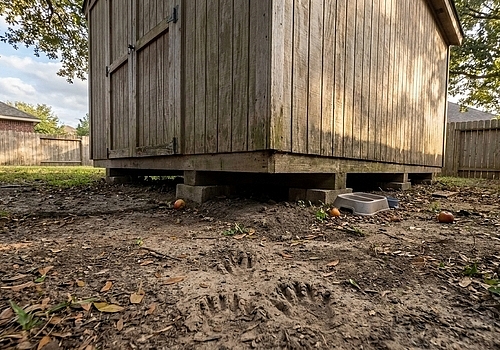
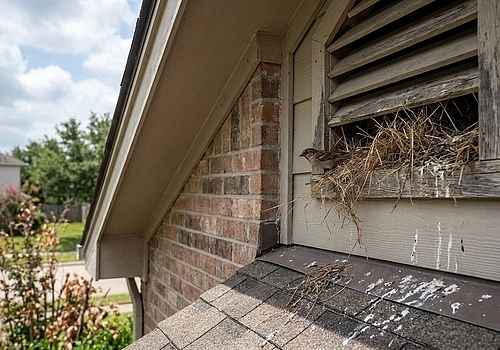
A proper exclusion job starts with a full inspection of the structure. Rooflines, soffits, vents, chimney gaps, garage lines, utility penetrations, crawl space openings, and construction gaps all matter. In Houston homes, even a small opening can turn into an active entry point for rats, squirrels, bats, raccoons, or opossums.

Removal handles the immediate animal problem. Exclusion handles the reason it happened in the first place. If the access point remains open, the problem is not solved. It is delayed.

Why Houston homes are especially vulnerable

Houston gives nuisance wildlife what it needs – heat, humidity, water, and shelter. Add mature trees, dense neighborhoods, storm activity, and long warm seasons, and you get ideal conditions for animals to move from the outdoors into attics and wall voids.

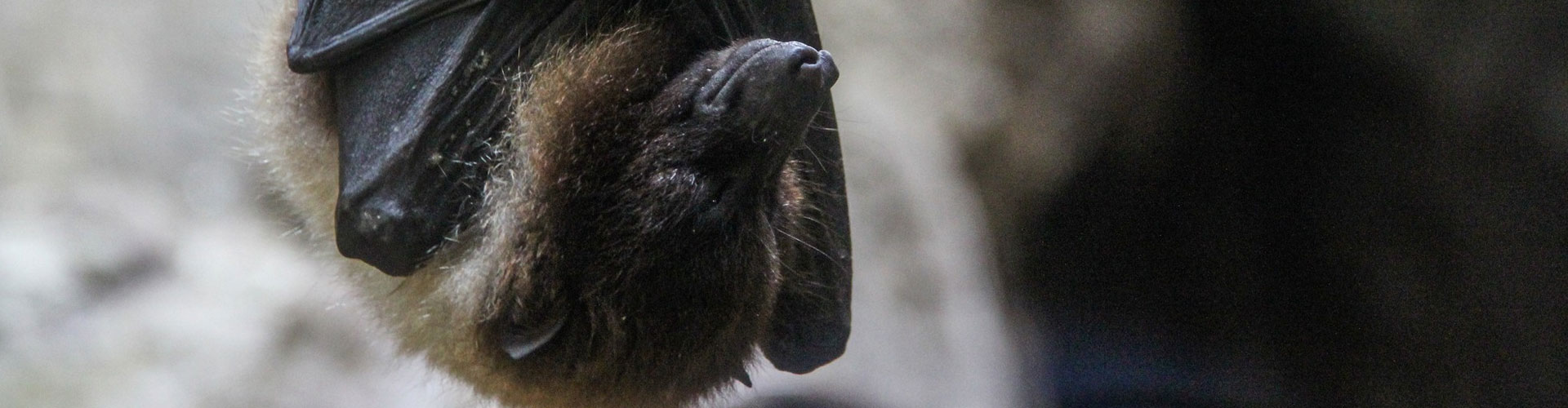
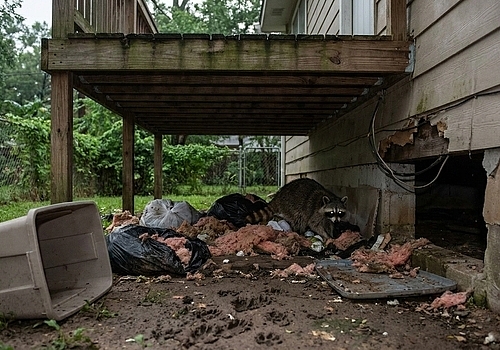
Roof rats are a common example. They climb easily, travel utility lines and tree limbs, and can enter through surprisingly small gaps near the roof. Raccoons are stronger and more destructive. They can tear into weak soffits or push through loose vents. Squirrels chew and widen openings. Bats can slip into narrow construction gaps and form colonies in attic spaces.

Houston weather also plays a role. Heavy rain can drive animals toward dry shelter. High summer heat pushes them into shaded voids and attic edges. After storms, damaged roofing components and loosened trim create fresh openings that wildlife notices quickly.

The real cost of waiting

Many homeowners wait because the activity seems minor at first. A little noise. One sighting. A smell that comes and goes. The problem is that wildlife activity inside a home tends to escalate, not stabilize.

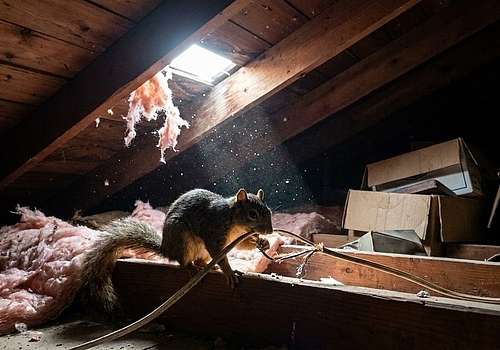
Rats and squirrels chew wires, wood, and insulation. Raccoons crush ductwork, tear insulation, and contaminate attic spaces with waste. Bats leave guano that builds up over time and creates serious sanitation concerns. Even snakes, while different from nesting mammals, often show up because a structure already has gaps or because rodent activity is attracting them.

There is also the repeat-infestation issue. If an animal is removed without sealing the structure, another animal often finds the same route. Homeowners end up paying twice for the same problem because the home was never secured.

What a complete exclusion process should include

Good wildlife exclusion is not guesswork. It is a step-by-step process that starts with evidence and ends with the home protected.

Inspection and entry-point mapping

The first step is identifying active and potential entry points. Not every gap is currently being used, but any vulnerable opening large enough for target species should be part of the plan. A quality inspection also looks for nesting areas, rub marks, droppings, chew evidence, stained insulation, and signs of structural weakness.

Humane removal

Before sealing a home, the animals inside have to be removed the right way. The method depends on the species, the number involved, and whether young are present. This matters. Sealing too early can trap animals inside walls or attics, which creates a much worse situation.

Humane removal is not just a selling point. It is part of doing the job correctly. Different animals require different timing and methods, especially during nesting and maternity seasons.

Structural sealing and repairs

This is the core of wildlife exclusion services in Houston. Once the structure is clear, entry points are sealed with materials designed to hold up against chewing, clawing, weather, and time. This is where temporary fixes and permanent work separate fast.

Foam alone is not a long-term wildlife barrier. Neither is a quick patch on a damaged vent. Real exclusion work uses durable methods matched to the part of the house being secured.

Cleanup and sanitation

If animals have been living in the attic or walls, removal and sealing are only part of the job. Contaminated insulation, droppings, urine-soaked materials, and nesting debris may need cleanup. Odors can linger and attract new activity if the area is not addressed properly.

For families, this part matters as much as the removal itself. You do not just want the animal gone. You want the space made safe and clean again.

Not every company fixes the root cause

This is where homeowners need to ask better questions. Some wildlife companies focus mostly on trapping. Trapping has its place, but by itself it is not a long-term solution for most residential wildlife intrusions. If the home still has open construction gaps or damaged access points, trapping only treats the current animal.

The better approach is inspection-led service. First find the source. Then remove the animal humanely. Then secure the structure so the same issue does not happen again.

That is also where a written warranty matters. A company willing to stand behind exclusion work is usually signaling that it expects the repairs and sealing to last. For homeowners, that means more confidence and fewer repeat service calls.

When to call for professional help

If you hear movement in the attic, walls, or ceiling, see droppings, notice strong odors, or spot an animal entering near the roofline, it is time to act. The same goes for torn vents, lifted shingles near edges, chewed trim, or insulation scattered near access points.

Some cases feel small but are not. One rat seen during the day can point to a larger population. A single raccoon on the roof may already have a den site nearby. Bat activity around dusk often means a colony has found a consistent access gap.

There are situations where timing matters even more. If young animals are present, if contamination is spreading, or if electrical damage is possible, waiting increases the risk and the repair cost.

What Houston homeowners should look for in a provider

The right company should offer a thorough inspection, explain what they found in plain language, and give a clear plan for removal, sealing, and cleanup if needed. Same-day availability can matter in urgent cases, but speed should not replace proper diagnosis.

It also helps to choose a company focused on homes like yours in the Houston area. Local wildlife behavior, seasonal patterns, roof styles, and common construction weak points all affect how exclusion should be done. A Houston home has different pressure points than a home in a dry or cold climate.

Look for humane methods, structural exclusion experience, and written backing on the work. If the proposal only addresses trapping and says little about repair or prevention, that is a sign the problem may come back.

At https://CritterProof-Tx.com, the focus is on solving wildlife problems the right way – long term. That means inspection first, humane removal, structural sealing, cleanup when needed, and protection backed by a written warranty.

Permanent protection is the point

Wildlife problems make people feel unsettled in their own homes. The noises, the uncertainty, the damage, and the thought of contamination in the attic can wear on a family quickly. The good news is that these issues are fixable when the work goes beyond surface-level removal.

Exclusion is what turns a recurring problem into a finished one. It closes the gap between getting animals out and keeping them out. If wildlife has found a way into your home, the most practical next step is not to hope it stops. It is to have the structure inspected and secured before the damage spreads.


‹ Back

Get Your Free Wildlife Inspection in Houston Today

If you're hearing noises, scratching, seeing damage, or suspect wildlife in your attic or walls, don't wait. We offer fast, honest inspections with real solutions that fix the problem.