




Unusual Movement in Your Attic or Walls? We Handle it the Right Way – PERMANENTLY.

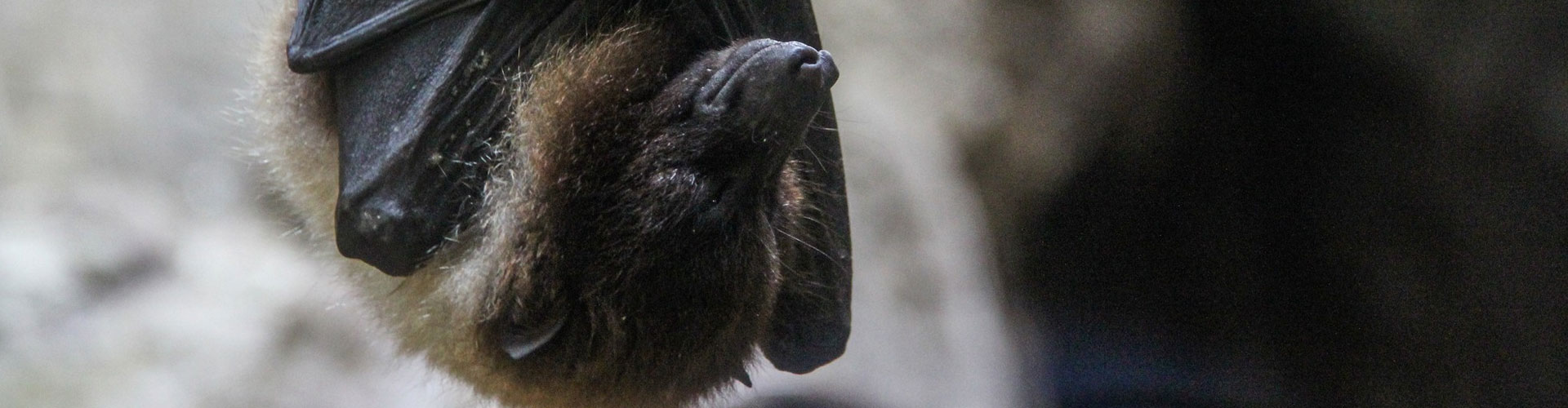
From a tree, a bat is handled by CritterProof through bat removal services.

Bats in Your Attic in Houston? Safe Removal Options

Published May 28th, 2026 by CritterProof Wildlife Removal

Most Houston homeowners think bats are just a nuisance. Scratching sounds, maybe some droppings. But the reality runs deeper than that — and if you're not paying attention, you're setting yourself up for health risks, structural damage, and a legal mess. Bats don't just pass through. They roost, they breed, and they leave behind a footprint that can cost you thousands if you wait too long or handle it wrong.

Bats in Your Attic in Houston? Safe Removal Options

So here's what matters. If you've got bats overhead, that's not a weekend DIY project. It's a wildlife issue with legal protections, timing restrictions, and cleanup requirements that most people underestimate. Every removal should follow a clear process. Every entry point needs to be sealed. And every decision should be grounded in what the law allows — not just what seems convenient.

Houston Attics Are Bat Magnets

The Gulf Coast climate doesn't just attract people. It's prime real estate for Mexican free-tailed bats and evening bats looking for warmth, shelter, and a steady food supply. Your attic checks every box. It's dark, it's quiet, and it's full of gaps they can slip through — roof vents, fascia boards, loose shingles. Once they're in, they're not leaving on their own.

Colonies can grow fast. What starts as a handful of bats can turn into dozens or even hundreds within a season. And when that happens, the problem compounds. More waste, more noise, more risk. The longer they stay, the harder it gets to undo the damage.

What Bats Leave Behind

We're not talking about a few stains on the ceiling. Bat guano piles up, and it doesn't just smell bad — it harbors fungal spores that can cause histoplasmosis when disturbed. Breathing that in can lead to serious respiratory issues, especially for anyone with compromised immunity. And then there's rabies. Most bats don't carry it, but the ones that do are impossible to identify without testing.

Beyond health risks, the structural toll adds up. Guano and urine corrode wood, ruin insulation, and seep into drywall. Left unchecked, you're looking at repairs that go well beyond a simple cleanup. The odor alone can make parts of your home unlivable.

Why You Can't Just Kick Them Out

Texas law protects bats, especially during maternity season from April through August. That's when females are nursing flightless pups. If you seal up your attic during that window, you're trapping babies inside — and that's illegal. It's also inhumane and creates a worse problem when those pups die and decompose in your walls.

Timing the removal correctly is non-negotiable. Professionals know the calendar and won't touch an exclusion until it's safe and legal. Trying to rush it or ignore the restrictions can land you in hot water with wildlife authorities.

Exclusion Is the Only Real Solution

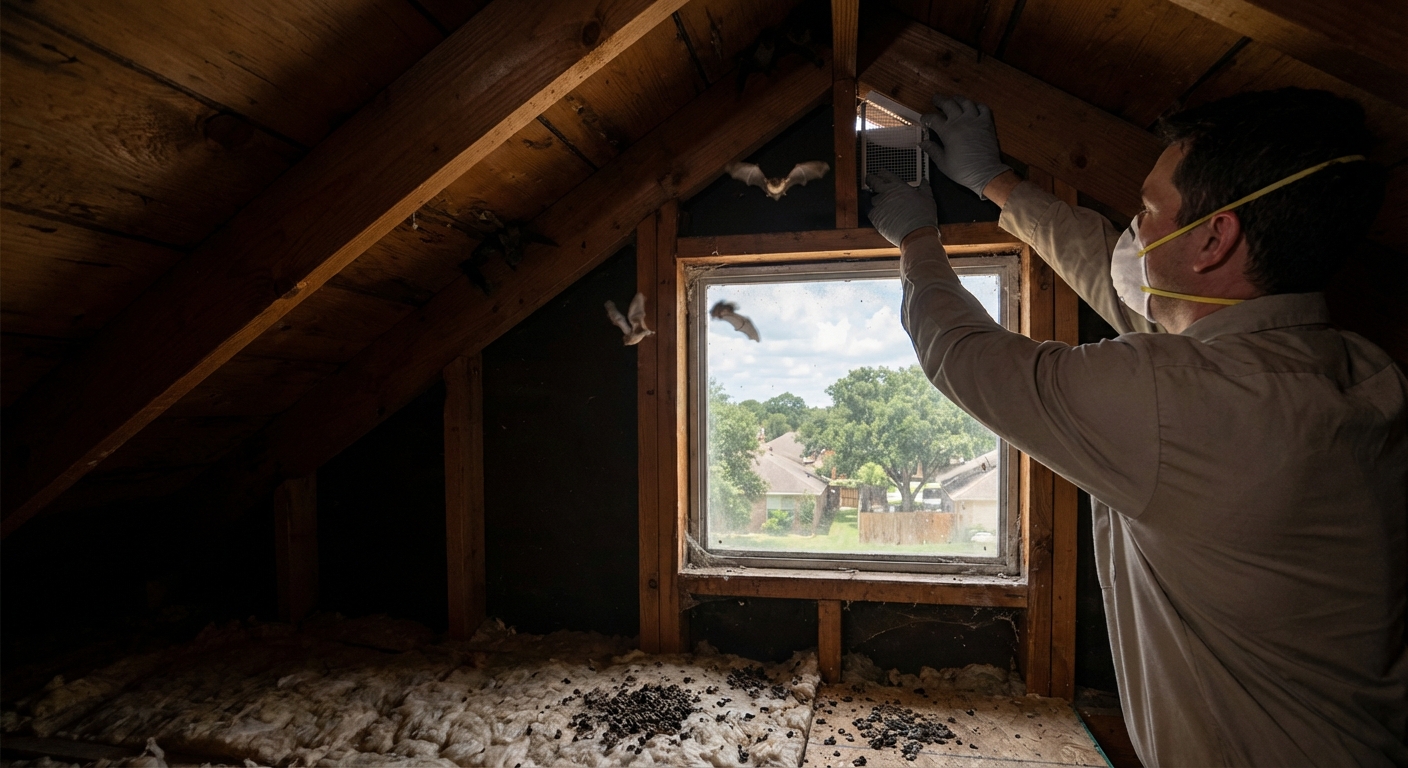
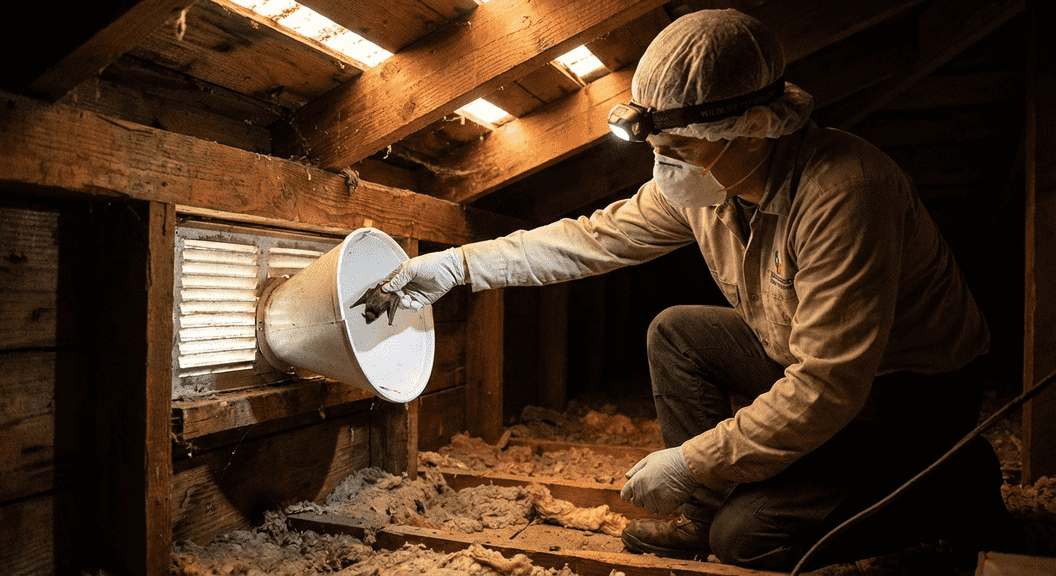
Forget traps. Forget poison. The only method that works long-term is exclusion, and it has to be done right. A licensed wildlife specialist will inspect your entire attic and exterior to map out every entry point. Then they install one-way devices that let bats exit but block re-entry. It's humane, it's effective, and it's the standard.

Once the bats are out, every gap gets sealed. That means:

  • Screening vents and chimney caps
  • Patching fascia and soffit damage
  • Sealing cracks around roof lines and gables
  • Reinforcing weak points where bats previously entered

Miss one spot, and they'll find their way back in. Bats can squeeze through openings as small as a dime. Precision matters here.

Cleanup Isn't Optional

After exclusion, you're left with guano, urine stains, and contaminated insulation. This isn't something you handle with a shop vac and a dust mask. Professional attic cleanup sanitation involves removing all waste, treating surfaces with antimicrobial agents, and replacing insulation if it's been compromised.

Here's what proper cleanup includes:

  • Full removal of guano and nesting material
  • Disinfection of all affected surfaces
  • Odor neutralization treatments
  • Insulation replacement where necessary
  • Air quality testing if contamination was severe

Skipping this step leaves you vulnerable to lingering health risks and odors that won't go away on their own. It also tanks your home's resale value if the issue ever comes up during an inspection.

Bat removal and safe attic cleanup in Houston

Where Homeowners Go Wrong

Trying to handle bat removal yourself is one of the fastest ways to make things worse. You risk bites, exposure to disease, and legal violations if you act during maternity season. Even if you manage to get the bats out, sealing entry points without professional tools and knowledge usually fails. They'll be back within weeks.

Another common mistake is waiting too long. The longer bats occupy your attic, the more damage accumulates. What could have been a straightforward exclusion turns into a full-scale remediation project with structural repairs and insulation replacement.

And then there's the cleanup. Homeowners who try to scrub guano themselves often stir up spores without proper ventilation or protective gear. That's how people end up sick. Leave it to the pros who have the equipment and training to do it safely.

Prevention Keeps Them Out for Good

Once your attic is bat-free, the goal is keeping it that way. Regular maintenance and vigilance go a long way. Inspect your roof and exterior at least twice a year, especially after storms. Look for new gaps, damaged vents, or loose shingles that could become entry points.

Here's what a solid prevention plan looks like:

  • Annual inspections by a wildlife professional
  • Trimming tree branches that overhang your roof
  • Installing or repairing vent screens and chimney caps
  • Sealing any new cracks or gaps as soon as they appear

Prevention is cheaper than removal. And it's a lot less stressful than waking up to scratching sounds at 2 a.m.

When to Bring in a Specialist

If you've confirmed bats in your attic — or even if you just suspect it — don't wait. The sooner you call a licensed wildlife removal expert, the less damage you'll deal with. They'll handle the inspection, exclusion, sealing, and cleanup in one coordinated effort.

A specialist helps you:

  • Identify all entry points and assess colony size
  • Schedule exclusion outside of maternity season
  • Install one-way devices and seal your home properly
  • Decontaminate and restore your attic safely
  • Set up a prevention plan to avoid future infestations

It's not just about getting rid of the bats. It's about doing it legally, safely, and in a way that protects your home and your family for the long haul.

Bats Don't Leave on Their Own

Ignoring the problem won't make it go away. Bats will keep roosting, colonies will keep growing, and the damage will keep piling up. There's no shortcut here. Full home exclusion takes planning, timing, and expertise. But when it's done right, it's permanent.

We've seen too many Houston homeowners try to tough it out or cut corners, only to end up with bigger bills and worse conditions. The smart move is calling in a pro early, following the process, and making sure your attic stays sealed and clean. That's how you protect your investment and your peace of mind.

Let’s Solve Your Bat Problem Together

We know how stressful it can be to discover bats in your attic, but you don’t have to handle it alone. Let’s work together to make your home safe, clean, and bat-free for good. Give us a call at 832-834-8206 to talk with our team, or schedule a free inspection and we’ll help you reclaim your attic with confidence.


‹ Back

Get Your Free Wildlife Inspection in Houston Today

If you're hearing noises, scratching, seeing damage, or suspect wildlife in your attic or walls, don't wait. We offer fast, honest inspections with real solutions that fix the problem.