



Unusual Movement in Your Attic or Walls? We Handle it the Right Way – PERMANENTLY.

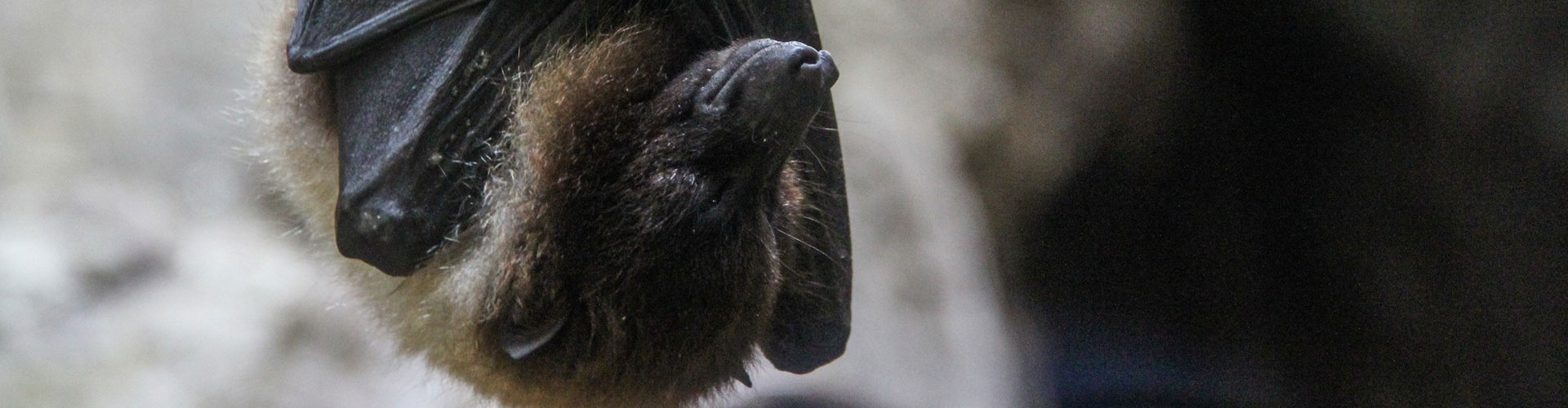
From a tree, a bat is handled by CritterProof through bat removal services.

Do You Have Rats in Your Houston Attic?

Published October 26th, 2026 by CritterProof Wildlife Removal

Houston homeowners deal with a lot—flooding concerns, hurricane prep, HVAC bills that climb every summer. But there's another problem lurking above your ceiling that doesn't always make the shortlist until it's already doing damage. Rats. They're not just gross or noisy. They chew through wiring, contaminate insulation, and multiply faster than most people realize. If you've been hearing scratching sounds at night or spotted droppings near stored boxes, you're not imagining things. You've got a problem that needs solving now, not later.

Do You Have Rats in Your Houston Attic?

Waiting doesn't make it better. Rats don't leave on their own. They settle in, build nests, and invite the rest of the family. The longer they're up there, the more expensive and complicated the cleanup becomes. So let's cut through the noise and talk about what's really happening in your attic—and what you need to do about it.

Houston's Climate Rolls Out the Welcome Mat

Texas heat doesn't just make your AC work overtime. It also creates ideal conditions for rodents looking for shelter. Attics stay warm year-round, offer protection from predators, and give rats easy access to nesting materials like insulation and cardboard. As neighborhoods expand and green space shrinks, rats are pushed closer to homes. Your attic isn't just convenient—it's prime real estate.

Rats thrive in environments where food, water, and shelter intersect. Suburban Houston checks all three boxes. Bird feeders, pet food left outside, trash cans without tight lids—all of it adds up. Once they find a way inside, your attic becomes the safest spot they've ever had.

The Warning Signs Most People Miss

Rats are nocturnal, so most of their activity happens while you're asleep. But they leave plenty of evidence behind. Recognizing the signs early can save you thousands in repairs and keep your family safe from health risks.

  • Scratching or scurrying sounds coming from the ceiling, especially between dusk and dawn
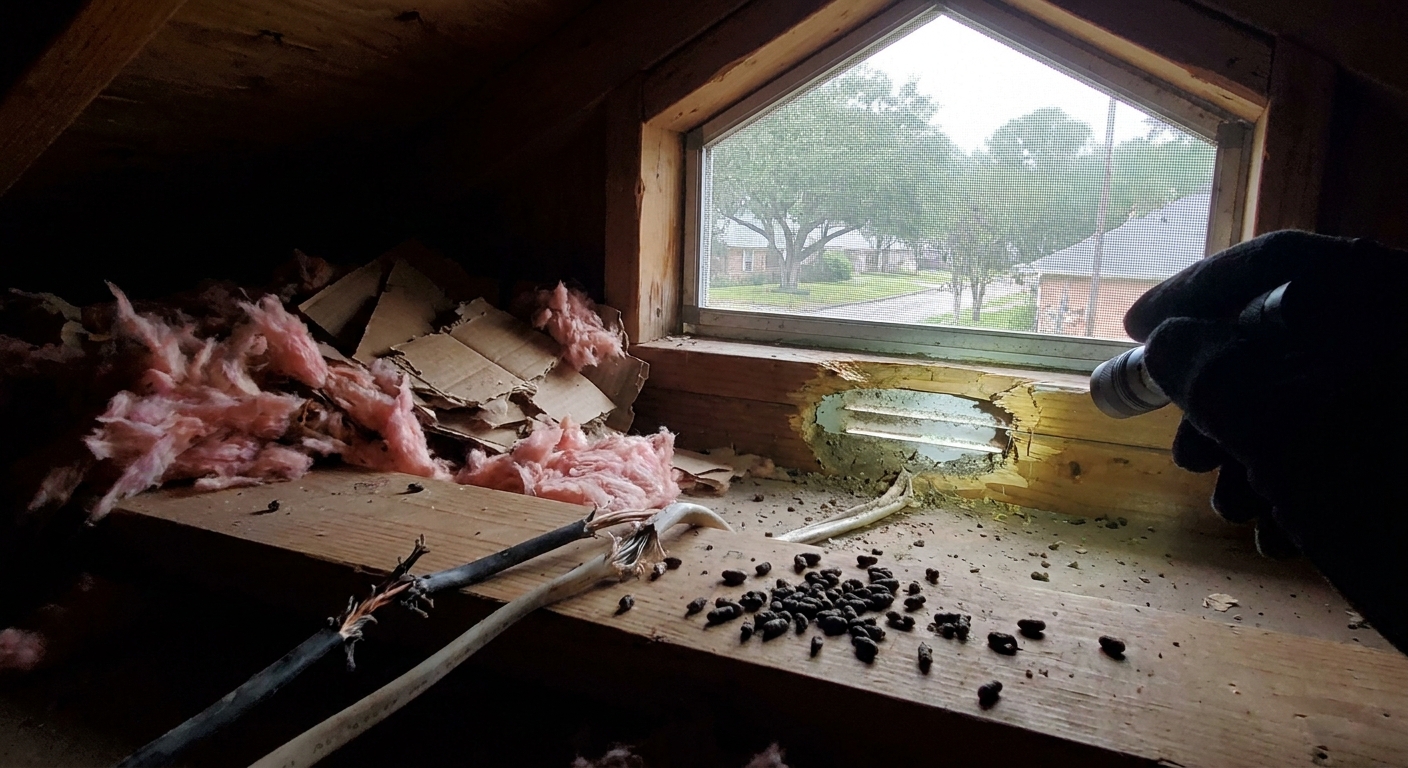
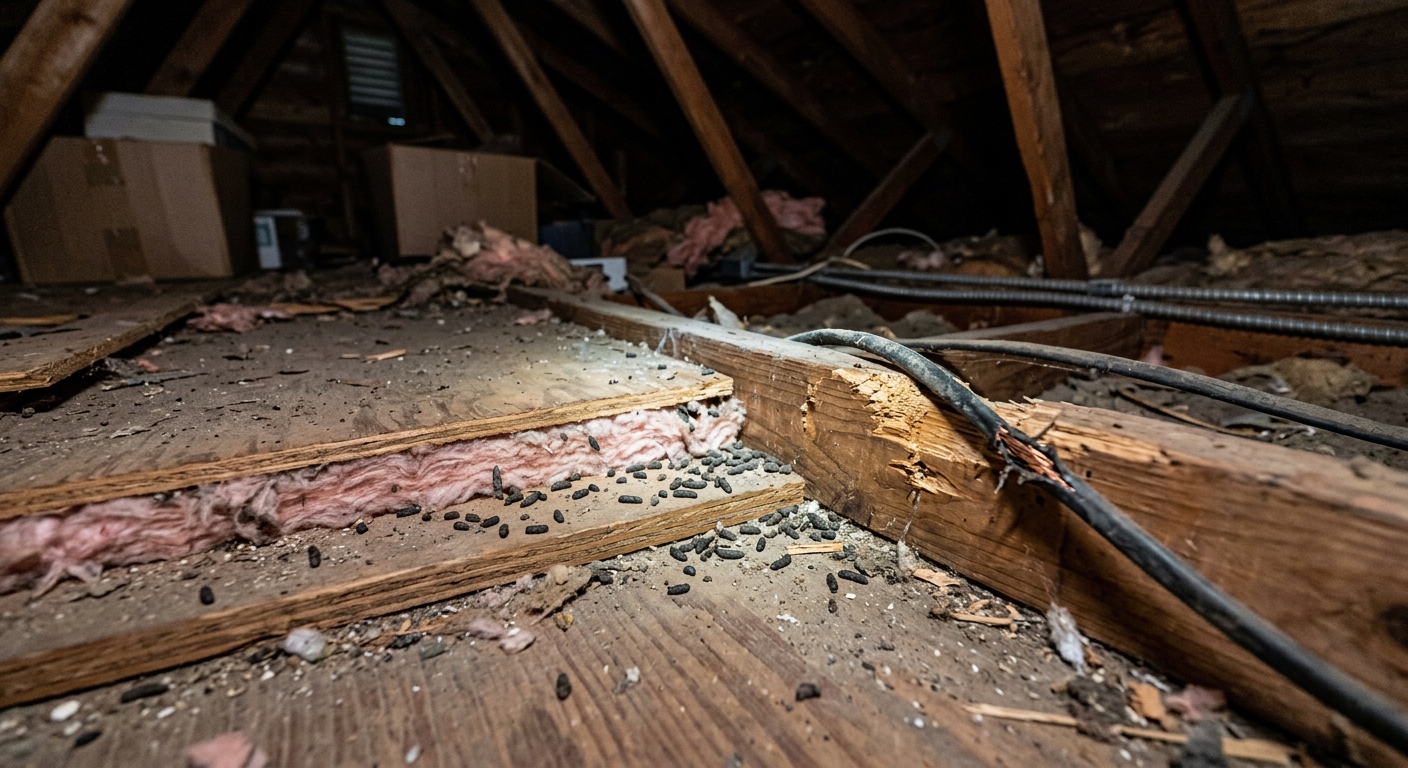
  • Small, dark droppings scattered along beams, near vents, or around storage boxes
  • Chewed wires, wood, or plastic—rats gnaw constantly to keep their teeth from overgrowing
  • Shredded insulation or fabric clumped together in corners, often used for nesting
  • Strong musky odor that gets worse over time as the population grows
  • Greasy smear marks along walls and rafters where rats repeatedly travel the same routes

Damage That Compounds Fast

Rats don't just make noise and leave droppings. They cause real, expensive damage. Chewed electrical wires can spark fires. Contaminated insulation loses efficiency and has to be replaced. Structural wood gets weakened. And every day you wait, the problem spreads.

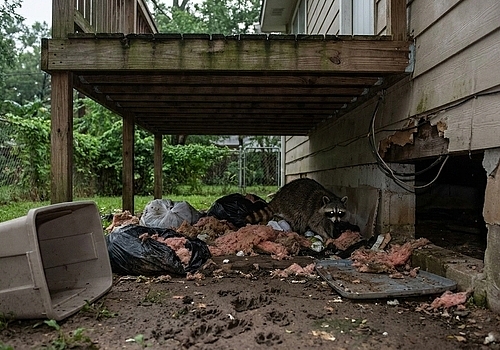
Beyond the property damage, there's the health risk. Rats carry diseases like leptospirosis, hantavirus, and salmonella. Their urine and feces contaminate surfaces, and fleas or mites they bring in can infest your home. If you've got kids or pets, the stakes are even higher.

How They're Getting Inside

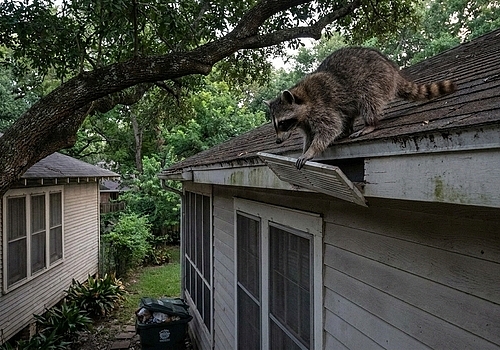
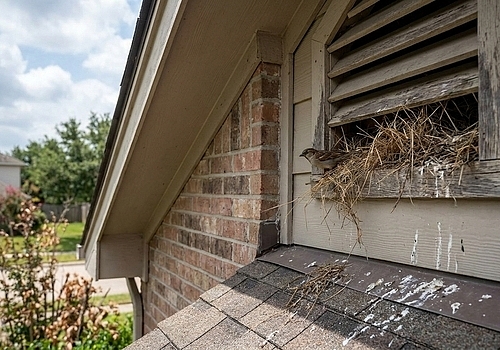
Rats don't need much space to squeeze through—just a gap the size of a quarter. Once they find an opening, they exploit it. Common entry points include roof vents without screens, gaps in soffits or eaves, cracks around pipes or cables, and damaged fascia boards. Even small holes in your home's exterior can become highways for rodents.

  • Roof vents and gable vents missing proper screening
  • Gaps where utility lines enter the house
  • Cracked or deteriorating mortar and siding
  • Open chimney flues without caps
  • Loose or broken roof shingles near the edges

What You Should Be Doing Right Now

If you suspect rats, don't wait for confirmation. Start with a thorough attic inspection using a flashlight. Look for droppings, gnaw marks, nests, and entry points. Check your home's exterior for gaps or cracks that need sealing. Use materials like steel wool, metal flashing, or hardware cloth—rats can chew through foam and caulk alone.

Remove attractants outside your home. Secure trash cans, clean up fallen fruit, and store pet food indoors. Trim tree branches that hang over your roof—they're basically bridges for rodents. If you're dealing with a small infestation, snap traps can work. But skip the poison unless you want dead rats decomposing inside your walls.

Rats infestation in Houston attic, signs and prevention

When DIY Isn't Enough

Large infestations or recurring problems need professional intervention. Pest control experts have the tools, knowledge, and experience to eliminate rats safely and prevent them from coming back. They can identify entry points you might miss, remove contaminated insulation, and set up exclusion barriers that actually work.

  • Professionals can locate and seal entry points you didn't know existed
  • They use commercial-grade traps and exclusion methods that outperform store-bought options
  • Contaminated insulation and waste get removed properly, reducing health risks
  • Follow-up inspections ensure the problem doesn't return
  • Licensed technicians understand local regulations and safe disposal practices

Stopping the Next Wave Before It Starts

Getting rid of rats is only half the job. Keeping them out takes ongoing effort. Schedule regular attic inspections, especially after storms or heavy construction in your area. Keep your yard clean and clutter-free. Store firewood away from the house, and don't let ivy or vines climb exterior walls—they're perfect cover for rodents.

Maintain your home's exterior. Repair damaged shingles, replace worn weatherstripping, and keep vents screened. A clean, well-maintained attic is far less attractive to rats than one filled with forgotten boxes and torn insulation. Professional critter-proofing your home provides long-term protection against future infestations.

The Cost of Ignoring the Problem

Putting off a rat problem doesn't save money—it costs more. Structural repairs, insulation replacement, and pest control services all get more expensive the longer you wait. Electrical fires caused by chewed wires can destroy entire homes. Health issues stemming from exposure to rat waste can lead to medical bills and lost work time.

  • Replacing chewed wiring can run into the thousands depending on severity
  • Contaminated insulation removal and replacement isn't cheap or quick
  • Structural wood repairs add up fast when rats have been active for months
  • Medical costs from diseases like leptospirosis or hantavirus can exceed what prevention would have cost
  • Homeowner's insurance often excludes rodent damage, leaving you with the full bill

Get Ahead of It Now

Rats in your Houston attic aren't a problem that solves itself. They multiply, they damage, and they create health risks that extend beyond your property line. Acting fast means lower costs, less damage, and peace of mind knowing your home is protected. Professional attic cleanup and sanitation services can restore your home to safe conditions after an infestation. Whether you tackle it yourself or bring in a professional, the key is to start today—not when the problem becomes undeniable.

Let’s Protect Your Home Together

We know how stressful it is to discover rats in your attic, but you don’t have to face it alone. Let’s work together to safeguard your home and restore your peace of mind. If you’re ready to take action, call us at 832-834-8206 or schedule a free inspection and let’s get your attic back to normal.


‹ Back

Get Your Free Wildlife Inspection in Houston Today

If you're hearing noises, scratching, seeing damage, or suspect wildlife in your attic or walls, don't wait. We offer fast, honest inspections with real solutions that fix the problem.