




Unusual Movement in Your Attic or Walls? We Handle it the Right Way – PERMANENTLY.

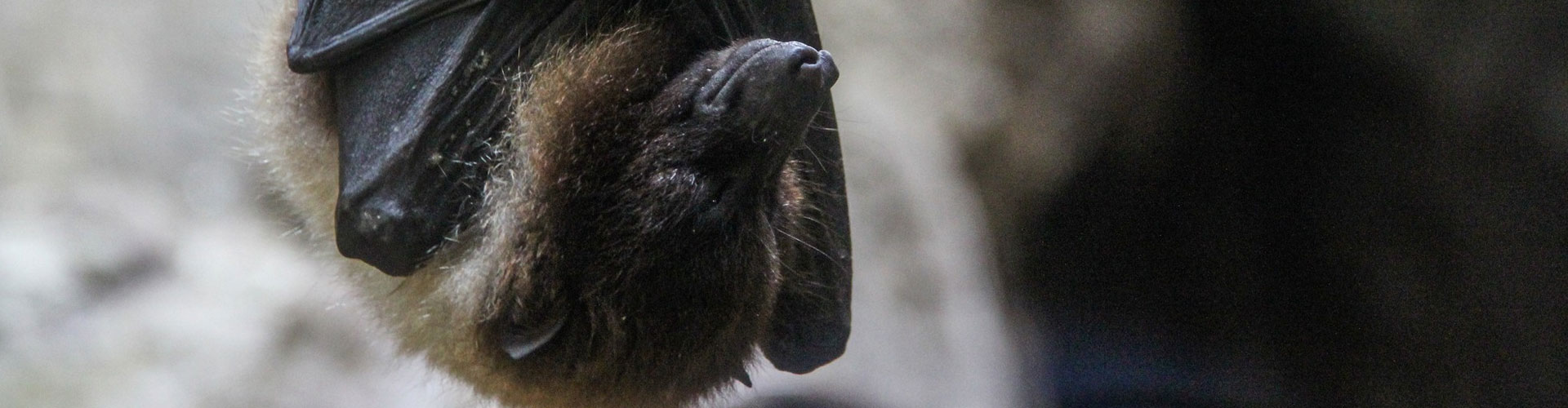
From a tree, a bat is handled by CritterProof through bat removal services.

Rodents in Your Houston Attic? It May Be Time for Attic Restoration

Published July 20th, 2026 by CritterProof Wildlife Removal

Most homeowners think rodent problems are just about catching a few critters. Set a trap, problem solved. But that's only the start — and if you stop there, you're leaving hazards behind. Rodents don't just disappear when you remove them. They leave contamination, structural damage, and entry points that invite the next wave. Especially in Houston, where warmth and humidity make attics a five-star hotel for pests.

Rodents in Your Houston Attic? It May Be Time for Attic Restoration

So here's the reality. If you've got scratching in the ceiling or droppings in the insulation, removal isn't enough. Every contaminated surface needs attention. Every chewed wire creates risk. And every restoration decision should be based on what happened in that attic — not just what you can see from the ladder.

Houston's Climate Rolls Out the Welcome Mat

Roof rats love the heat. So do Norway rats and house mice. They don't hibernate, don't leave for winter, and don't need much of an opening to get inside. Houston's mild winters and dense urban sprawl make it prime territory for rodent activity year-round.

These pests climb trees, follow utility lines, and squeeze through gaps you wouldn't think twice about. Once inside, they breed fast and settle in for the long haul. What starts as one or two explorers becomes a full-blown infestation in weeks.

The Damage Starts Before You Notice

Rodents chew constantly. Their teeth never stop growing, so they gnaw on whatever's available — wires, wood beams, plastic pipes, insulation. That's not just cosmetic. Chewed wiring is a fire hazard. Torn insulation kills your energy efficiency. And structural damage weakens the bones of your home.

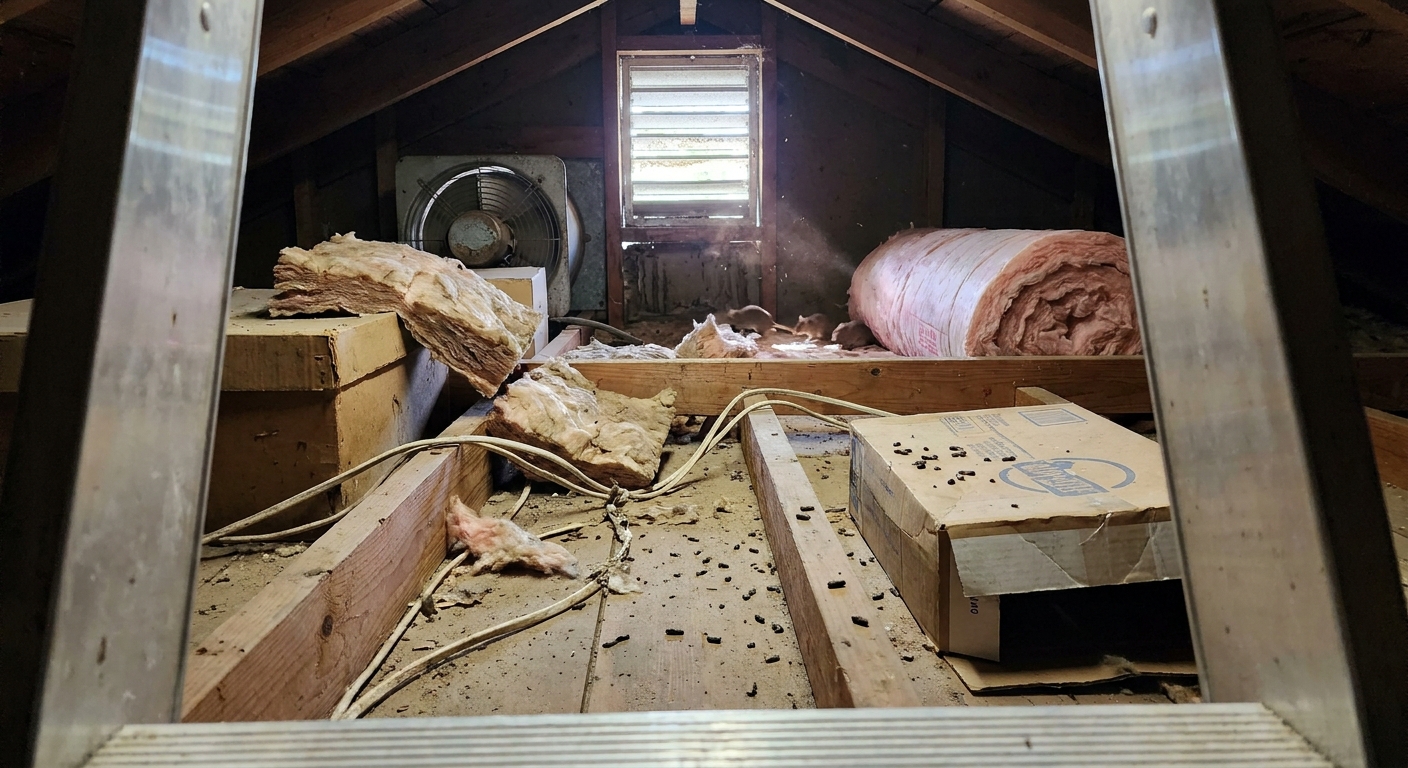
Then there's the waste. Droppings and urine accumulate in insulation and on surfaces, creating a breeding ground for bacteria and pathogens. The longer they stay, the worse it gets. And if you're only addressing the rodents without cleaning up what they left behind, you're ignoring the bigger threat.

What You're Actually Breathing

Rodent droppings carry disease. Hantavirus, salmonella, leptospirosis — these aren't scare tactics, they're documented risks. When contaminated insulation sits in your attic, particles become airborne every time your HVAC kicks on. That's not just an attic problem anymore. It's circulating through your home.

We've seen families deal with respiratory issues, allergies, and mystery illnesses that cleared up only after full attic remediation. The odor alone can signal contamination. If it smells wrong, something is wrong. And waiting won't improve the situation.

Signs That Restoration Is Overdue

You don't need a degree in pest control to know when things have gone sideways. The clues are obvious if you're paying attention:

  • Scratching or scampering sounds overhead, especially after dark
  • Visible droppings scattered across insulation or storage boxes
  • Chewed wiring with exposed copper or frayed insulation
  • Nesting material made from shredded paper, fabric, or insulation
  • Grease marks along beams or walls where rodents travel repeatedly
  • Foul odors that won't go away no matter how much you air things out

Miss these signs and you're giving rodents time to multiply and cause more damage. Catch them early and restoration is faster, cleaner, and cheaper.

Removal Is Just the Opening Act

Trapping rodents solves the immediate problem. It doesn't solve the aftermath. Once the pests are gone, you're left with contaminated insulation, compromised air quality, and structural weak points. That's where rat and rodent removal takes over.

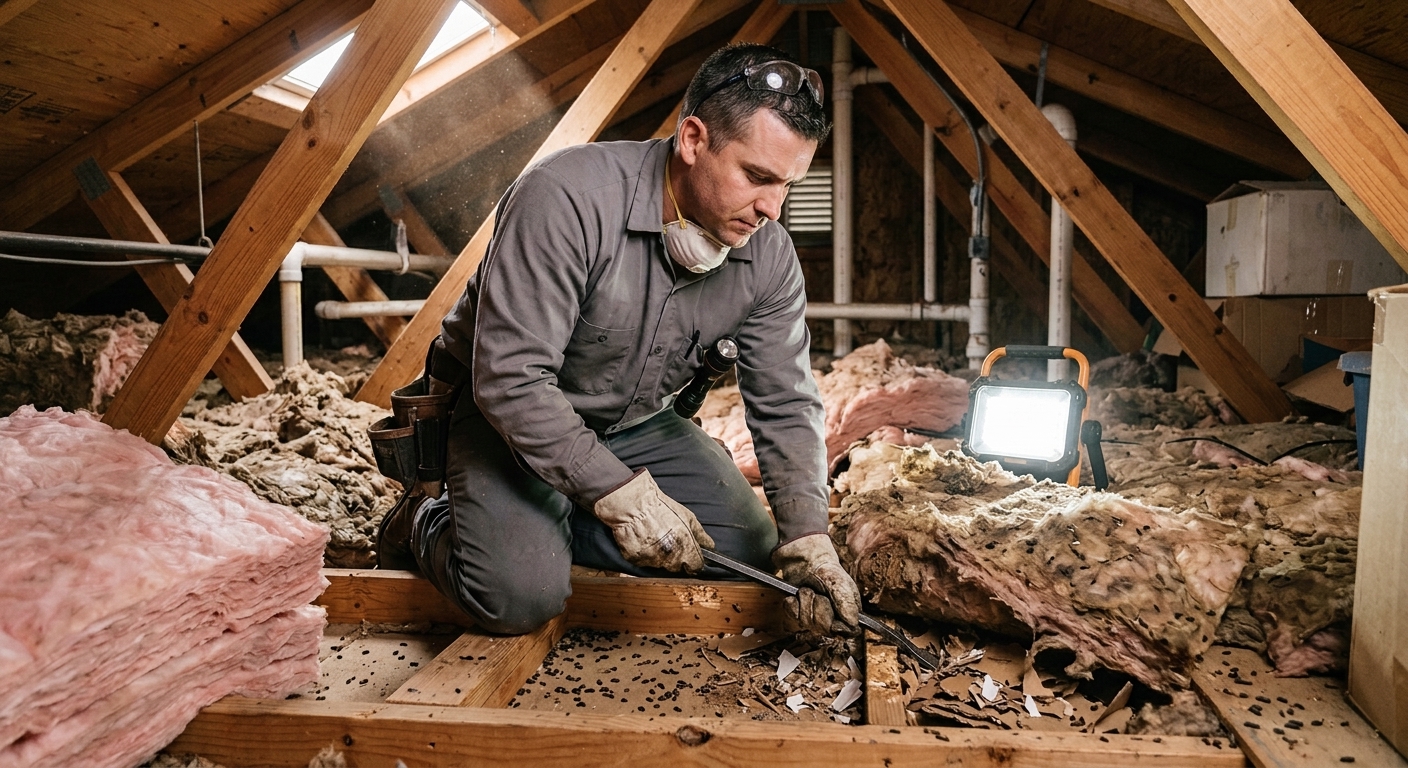
Professional teams don't just haul out dead rodents. They remove soiled insulation, sanitize every surface, seal entry points, and replace what's been destroyed. It's a full reset — not a Band-Aid.

What a Real Restoration Includes

This isn't a weekend project with a Shop-Vac and some gloves. Proper attic restoration involves multiple phases:

  • Comprehensive inspection to map damage and contamination zones
  • Humane trapping and removal of all live rodents
  • Extraction of soiled insulation and nesting debris
  • Deep sanitization using hospital-grade disinfectants
  • Sealing of entry points, gaps, and vulnerable areas
  • Installation of fresh, energy-efficient insulation

Each step matters. Skip one and you leave the door open for recontamination or reinfestation. Professionals know the sequence and have the gear to do it safely.

Insulation Isn't Optional After Contamination

Rodent-damaged insulation loses its R-value. That means your attic can't regulate temperature the way it should. Your HVAC works harder. Your energy bills climb. And in Houston's heat, that's a problem you feel in your wallet every month.

Replacing insulation after remediation isn't upselling — it's necessity. New insulation replacement restores thermal efficiency and ensures contaminants aren't lingering in the fibers. It's also the final layer of protection against odors and airborne particles.

Sealing Entry Points Before the Next Wave Arrives

Rodents return to places that worked before. If you don't close the gaps, you're inviting round two. Professionals identify every possible entry — roof vents, soffit gaps, utility penetrations, and foundation cracks.

They don't just stuff holes with foam and call it done. Proper full home exclusion and entry point sealing uses rodent-proof materials like steel mesh and sealed flashing. It's permanent, not temporary. And it's the difference between one restoration and a recurring nightmare.

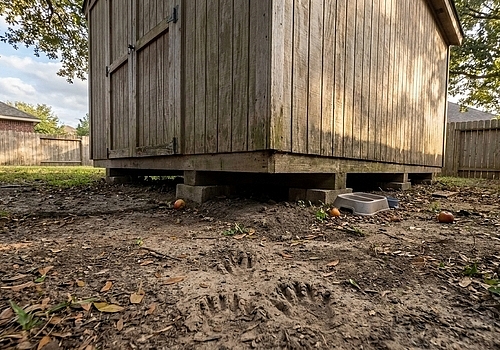
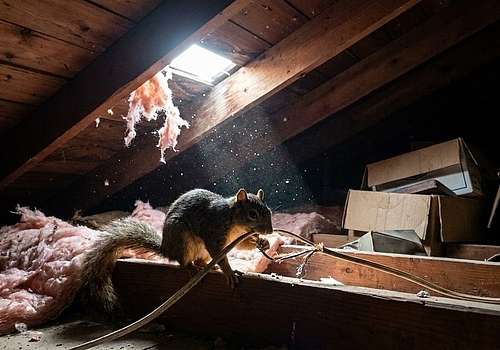
Attic restoration after rodent infestation in Houston attic

Why DIY Falls Short

You can rent a ladder and buy traps. You can't safely remove contaminated insulation without proper respiratory gear, containment protocols, and disposal methods. Rodent waste is hazardous. Disturbing it without protection puts you at risk.

Professionals are trained, certified, and equipped to handle biohazards. They know what to look for, how to extract safely, and how to prevent cross-contamination. That's not something you pick up from a YouTube video.

Vetting the Right Team for the Job

Not every company that claims to do attic cleanup and sanitation actually does it right. Look for these markers:

  • Licensed and insured with proof of both
  • Experience specifically with rodent remediation and attic work
  • Positive reviews and verifiable references from local customers
  • Transparent pricing with detailed scope of work
  • Use of professional-grade equipment and disinfectants

Ask questions. Get estimates in writing. And don't hire anyone who tries to skip steps or downplay contamination. Good work costs money. Bad work costs more in the long run.

Timing Matters More Than You Think

Rodents don't wait for convenient schedules. They breed quickly, damage spreads, and contamination accumulates. The longer you delay restoration, the more invasive and expensive it becomes.

We see it all the time — homeowners who put it off for months, then call in a panic when the odor becomes unbearable or wiring fails. Consider scheduling an attic inspection to assess the full scope before issues escalate. Don't be that homeowner. Address it now while the scope is manageable and the cost is predictable.

Your Attic Should Be a Non-Issue

Rodents are opportunists. They'll take what you give them. Leave entry points open, ignore signs of activity, and skip proper cleanup — you're giving them everything they need. But lock down access, remove contamination, and restore the space correctly, and you're done worrying.

Attic restoration isn't about overreacting to a few droppings. It's about protecting your home's integrity, your family's health, and your peace of mind. Professional wildlife removal services ensure Houston's rodent population doesn't turn a temporary inconvenience into a recurring disaster.

Let's Restore Your Peace of Mind

We know how stressful it is to discover rodents have taken over your attic, but you don’t have to tackle the aftermath alone. Let’s make your home safe, clean, and rodent-free for good. Give us a call at 832-834-8206 to talk with our team, or schedule a free inspection and take the first step toward a healthier home today.


‹ Back

Get Your Free Wildlife Inspection in Houston Today

If you're hearing noises, scratching, seeing damage, or suspect wildlife in your attic or walls, don't wait. We offer fast, honest inspections with real solutions that fix the problem.