

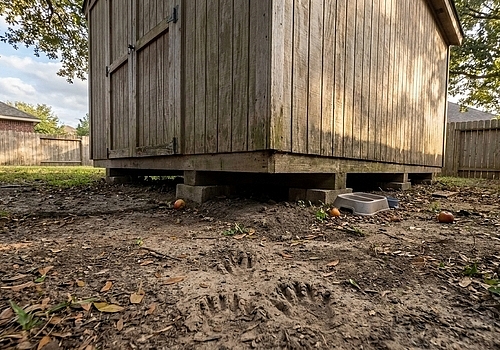


Unusual Movement in Your Attic or Walls? We Handle it the Right Way – PERMANENTLY.

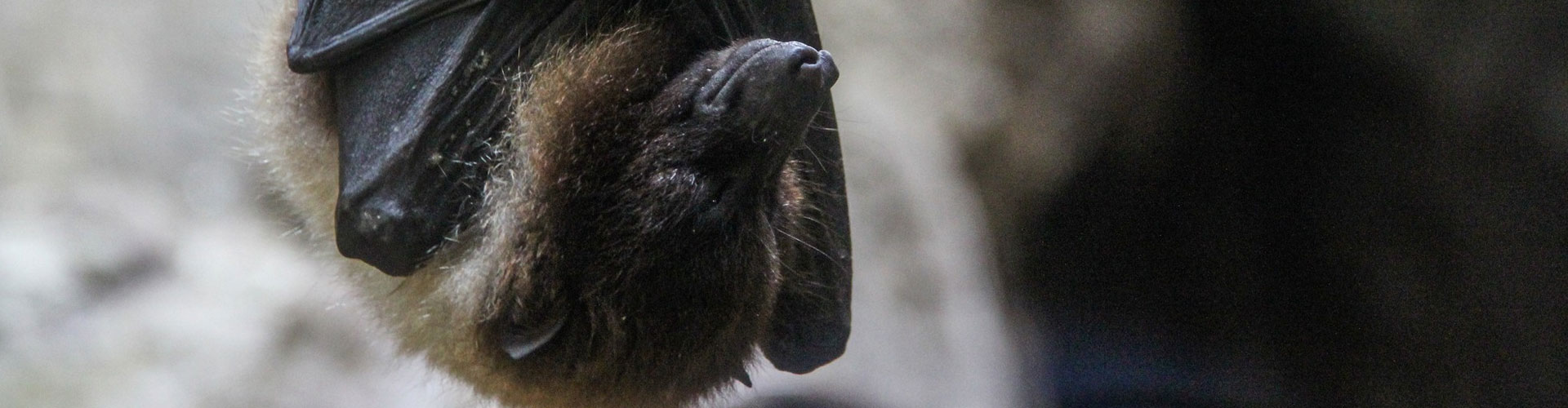
From a tree, a bat is handled by CritterProof through bat removal services.

Wildlife Getting Into Your Attic in Houston? How to Stop It

Published June 25th, 2026 by CritterProof Wildlife Removal

Houston homeowners don't always think about what's happening above the ceiling. Until they hear it. Scratching. Scurrying. Something moving around where nothing should be. By then, the damage is already starting. Wildlife doesn't need an invitation—just a crack, a loose vent, or a gap in the soffit. And once they're in, they don't leave quietly.

Wildlife Getting Into Your Attic in Houston? How to Stop It

The real problem isn't just the noise. It's the wiring they chew through, the insulation they shred, and the droppings they leave behind. Every day you wait is another day of contamination, fire risk, and structural wear. So if you've got critters overhead, here's what you need to know—and what you need to do about it.

Houston's Climate Makes Attics Prime Real Estate

The heat, humidity, and sprawl create perfect conditions for wildlife to move in. As neighborhoods expand and green space shrinks, animals adapt. Raccoons, squirrels, bats, and opossums don't disappear—they relocate. And your attic offers everything they need: shelter from predators, warmth during cooler months, and a safe place to raise young.

Trees line most Houston streets, giving animals easy access to rooflines. From there, it's just a matter of finding the weak spot. A missing shingle. A rotted fascia board. A vent without a screen. Once they're inside, they settle in fast.

The Usual Suspects

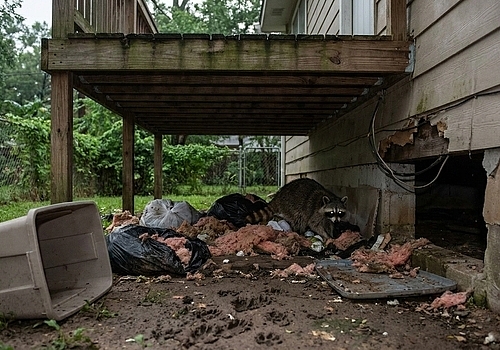
  • Raccoons: Smart, strong, and destructive—they'll rip through vents and tear up insulation without hesitation.
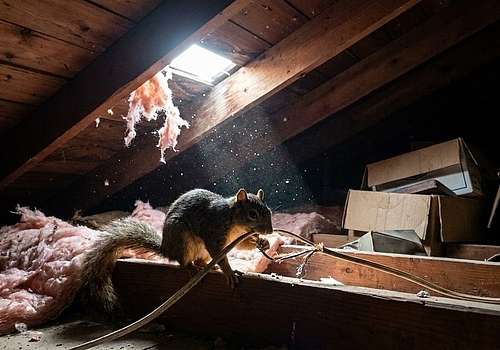
  • Squirrels: Fast climbers with sharp teeth, they chew through wood, plastic, and even electrical wiring.
  • Bats: They slip through openings as small as half an inch and roost in colonies during daylight hours.
  • Opossums: Opportunistic scavengers that take advantage of any accessible entry point.
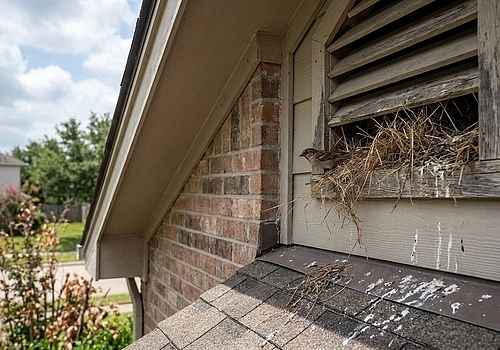
  • Birds: Pigeons and starlings will nest in attics if they find an unprotected opening.

Damage Adds Up Faster Than You Think

Wildlife doesn't just make noise. They destroy insulation, compromise air sealing, and create fire hazards by gnawing on electrical wires. Their urine soaks into wood and drywall, leading to stains, odors, and potential mold growth. Droppings pile up, carrying bacteria, parasites, and pathogens that can affect indoor air quality.

Nesting materials block vents and reduce airflow, forcing your HVAC system to work harder. That means higher energy bills and shorter equipment life. And if animals die in your attic? The smell alone can make your home unlivable until it's removed and the area is decontaminated.

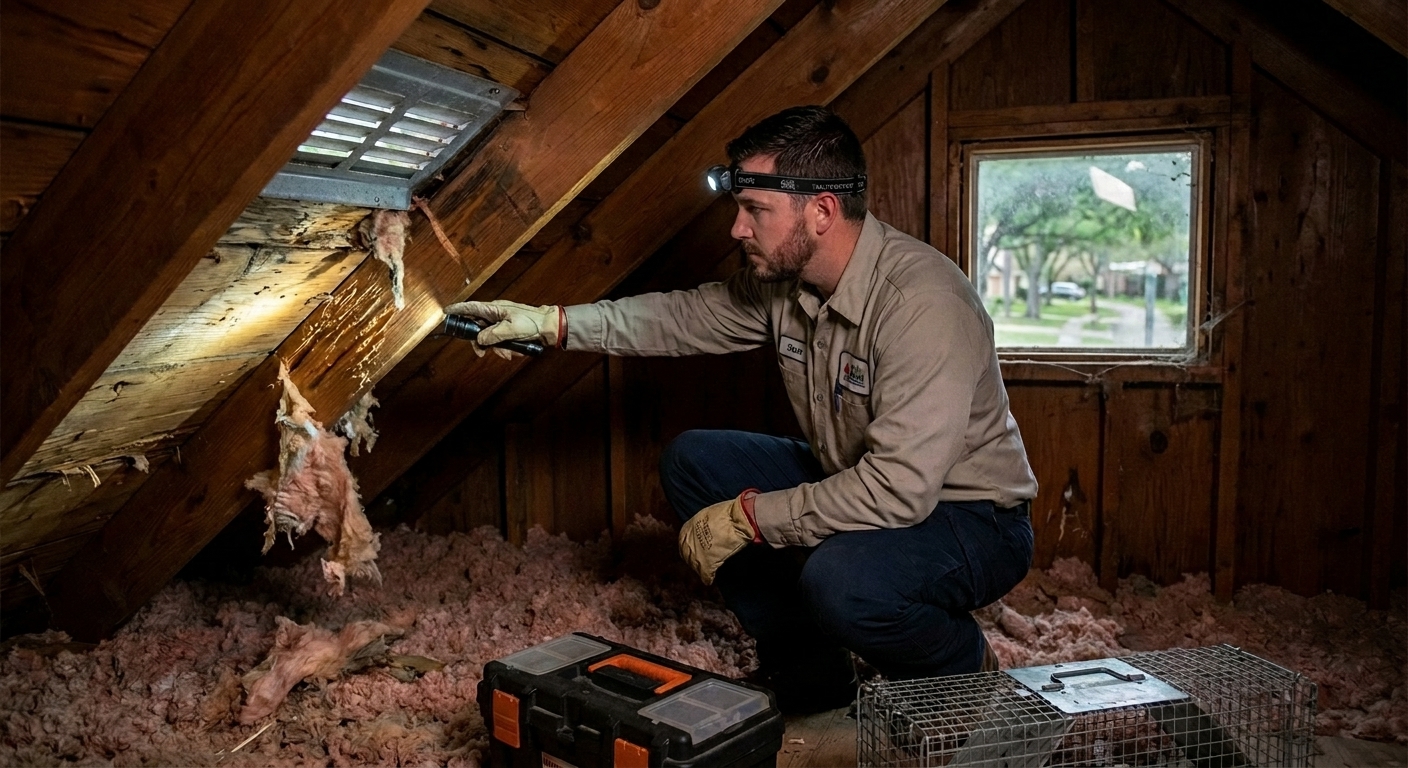
Inspection Comes First

You can't fix what you don't see. Walk the perimeter of your home and check the roofline, eaves, soffits, and vents. Look for gaps, loose materials, or signs of gnawing. Pay attention after storms—wind and rain can create new vulnerabilities overnight.

Don't skip the chimney or the spots where utility lines enter the house. Those are common weak points. If you're not comfortable getting on a ladder, hire someone who is. Missing an entry point now means dealing with an infestation later. A professional attic inspection can identify vulnerabilities you might overlook.

Seal Every Gap That Matters

Once you've identified the weak spots, close them. Use materials that animals can't chew through—steel mesh, hardware cloth, or metal flashing. A quarter-inch gap is all it takes for some species to squeeze inside, so don't leave anything to chance.

Make sure attic vents are covered with wildlife-proof screens. Check around chimneys, roof penetrations, and anywhere two building materials meet. If it looks like a potential entry point, treat it like one. Professional full home exclusion and entry point sealing ensures every vulnerability is addressed with durable materials.

Cut Off the Highway to Your Roof

Overhanging branches are an open invitation. Squirrels and raccoons use them like bridges, hopping from tree to roof without breaking stride. Trim back any limbs within six to eight feet of your home. It's not just about access—it's about making your property less appealing in the first place.

Shrubs and vines that grow up the side of your house also provide cover and climbing routes. Keep them trimmed and away from the roofline.

Remove What Draws Them In

  • Secure trash cans with locking lids
  • Don't leave pet food outside overnight
  • Clean up fallen fruit from trees and bushes
  • Store birdseed in sealed containers
  • Eliminate standing water sources

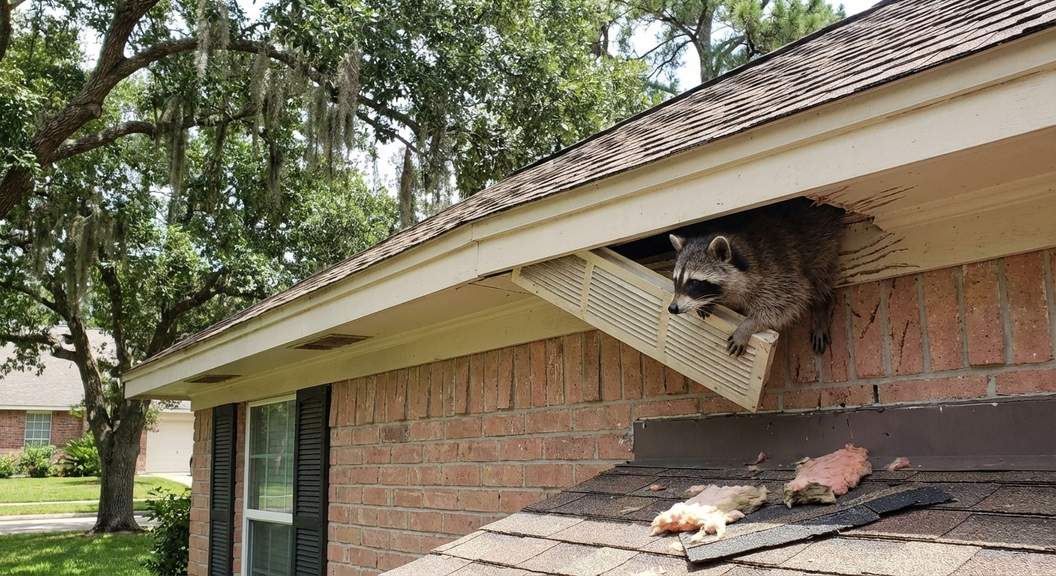
Wildlife entering attic in Houston and how to stop it

Cap the Chimney and Cover the Vents

Chimneys and roof vents are two of the most common entry points for wildlife. Install a chimney cap with mesh sides to keep animals out while allowing smoke to escape. Use vent covers designed specifically to block wildlife without restricting airflow.

These aren't expensive fixes, but they're effective. And they're a lot cheaper than repairing the damage caused by a raccoon family nesting in your attic for a month. Professional roof vent repairs ensure proper installation and long-term protection.

If They're Already Inside, Act Now

Hearing noises means you're past prevention. At this point, you need removal—and you need it done right. Trying to trap or chase out animals yourself can backfire. Some species are protected by law. Others are aggressive when cornered. And if you seal up entry points while babies are still inside, you've just created a bigger problem.

A licensed wildlife removal professional knows how to handle each species safely and humanely. They'll remove the animals, clean up contamination, and repair the damage so it doesn't happen again.

What Professionals Bring to the Table

  • Safe, humane removal of wildlife without harm to you or the animals
  • Thorough decontamination of affected areas
  • Identification and sealing of all entry points
  • Compliance with local and state wildlife regulations
  • Prevention strategies tailored to your property

DIY Has Limits

You can handle some prevention steps on your own—trimming trees, securing trash, inspecting for gaps. But once animals are inside, the risks multiply. Bats carry rabies. Raccoon feces can contain roundworm eggs. Squirrels bite when threatened. And if you don't fully decontaminate the space, the smell and health hazards remain.

Professionals have the tools, training, and protective equipment to do the job safely. They also know how to spot secondary damage you might miss—like chewed wiring hidden under insulation or compromised structural supports. Comprehensive attic cleanup and sanitation removes all traces of contamination and restores safe air quality.

Monthly Checks Keep Problems Small

Once your attic is secure, don't assume it stays that way. Animals are persistent, and new gaps can form over time. Set a reminder to inspect your roofline, vents, and soffits every month. Look for fresh gnaw marks, displaced materials, or droppings near potential entry points.

Catching a problem early means fixing a small hole instead of dealing with a full-blown infestation. It's boring work, but it's the difference between a quick repair and a costly restoration. Effective critter-proofing your home strategies provide ongoing protection against future intrusions.

Your Attic Isn't a Habitat

Wildlife in your attic isn't a minor inconvenience—it's a threat to your home's integrity, your family's health, and your wallet. The longer you wait, the worse it gets. Seal the gaps. Remove the attractants. And if something's already moved in, bring in someone who knows how to get it out without making things worse. Houston's wildlife isn't going anywhere, but that doesn't mean they belong in your house.

Let’s Protect Your Home Together

We know how stressful it is to hear wildlife overhead and worry about the damage happening out of sight. Let’s work as a team to keep your attic secure and your family safe. If you’re ready to put an end to unwanted guests, give us a call at 832-834-8206 or schedule a free inspection and let’s get your home back to normal.


‹ Back

Get Your Free Wildlife Inspection in Houston Today

If you're hearing noises, scratching, seeing damage, or suspect wildlife in your attic or walls, don't wait. We offer fast, honest inspections with real solutions that fix the problem.