



Unusual Movement in Your Attic or Walls? We Handle it the Right Way – PERMANENTLY.

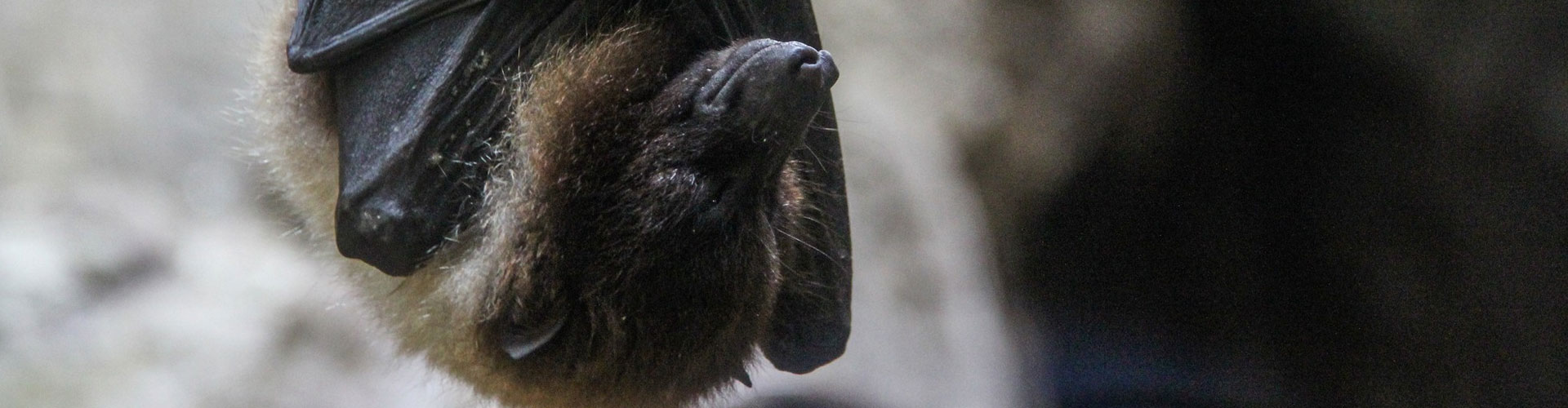
From a tree, a bat is handled by CritterProof through bat removal services.

Snake in Your Yard in Houston? Here's How Removal Works

Published June 11th, 2026 by CritterProof Wildlife Removal

Most Houston homeowners think snakes are just a summer problem. Something you deal with once and forget. But the reality is messier — and if you're not prepared, you're setting yourself up for repeat visits. Snakes don't show up by accident. They're drawn to food, shelter, and moisture. And if your yard checks those boxes, you're on their radar.

Snake in Your Yard in Houston? Here’s How Removal Works

Here's what matters. If you've got a snake problem, don't wing it. Every species behaves differently. Every removal needs the right approach. And every prevention strategy should be grounded in what actually attracts them — not just what looks tidy from the curb.

Houston Yards Are Snake Magnets

The climate here doesn't just support snakes — it invites them. High humidity, year-round warmth, and dense vegetation create perfect conditions for reptiles looking to hunt or hide. Yards with overgrown grass, stacked firewood, or standing water might as well hang a welcome sign. Rodents and insects thrive in these environments too, and where prey goes, predators follow.

Understanding why your property appeals to snakes is the first step toward making it less hospitable. It's not about luck. It's about habitat. And most Houston properties offer more than enough of what snakes need to stick around.

Venomous or Harmless? Know the Difference

Not every snake you see is a threat, but some absolutely are. Houston hosts both harmless species like rat snakes and dangerous ones like copperheads, cottonmouths, and coral snakes. Venomous snakes often have triangular heads, heat-sensing pits, and slit pupils — but those details are hard to spot from a safe distance.

If you're not certain what you're looking at, don't get closer. Misidentification is common, and even non-venomous snakes can bite when cornered. Keep your distance, observe from afar, and let someone with training make the call.

What You Should Do When You Spot One

Panic doesn't help. Neither does grabbing a shovel. If you find a snake in your yard, the smartest move is to back off and keep others away. Kids and pets should be brought inside immediately. Don't try to corner it, poke it, or chase it into the bushes.

Take note of its size, color, and any patterns you can see. That information helps professionals identify the species and plan the safest removal. Snakes aren't aggressive by nature — they're defensive. Give them space, and they'll usually move on. But if they don't, that's when you call in help.

How the Pros Handle It

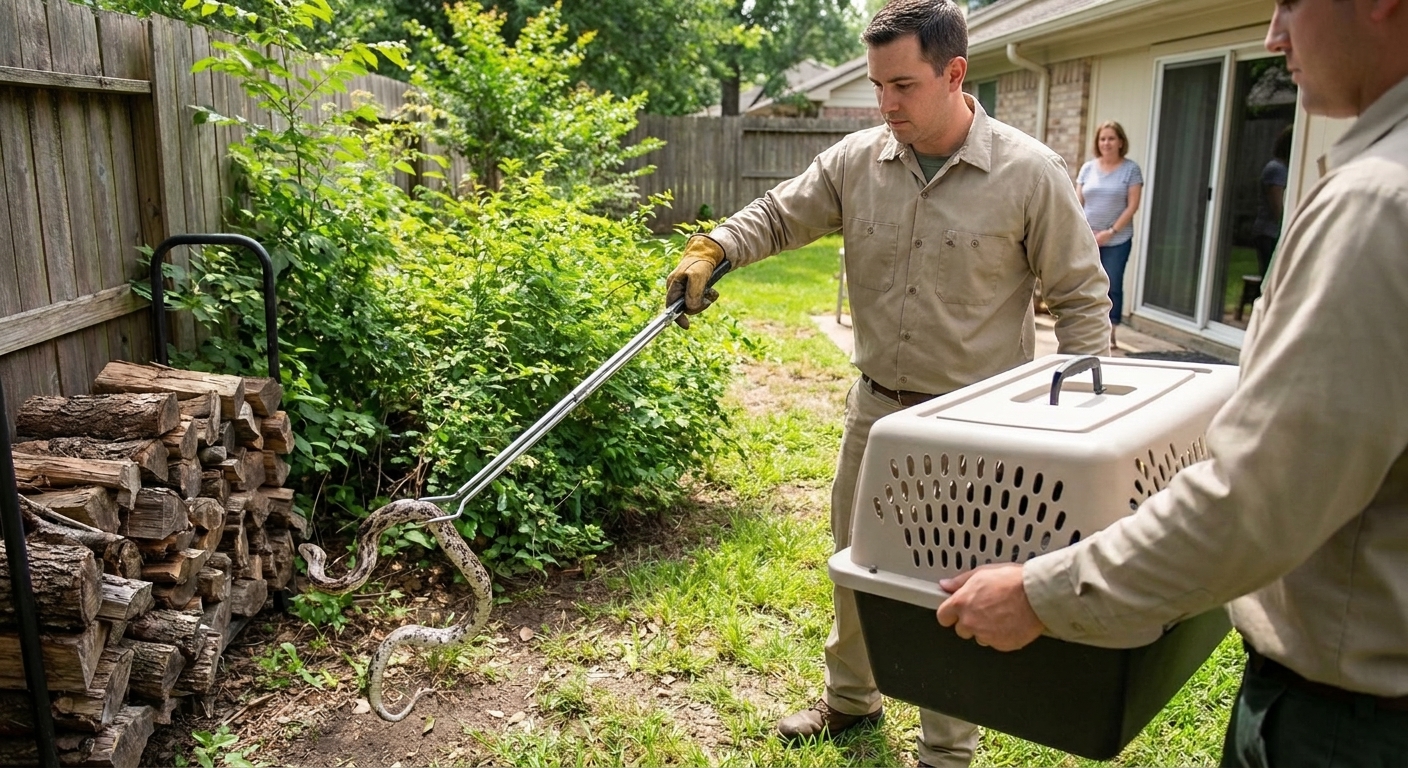
Professional snake removal isn't just about grabbing the snake and tossing it in a bucket. It's a process built on safety, identification, and relocation. Here's how it typically unfolds:

  • The technician inspects your property to locate the snake and assess entry points or hiding spots
  • They identify the species using visual cues and behavior patterns to determine the best capture method
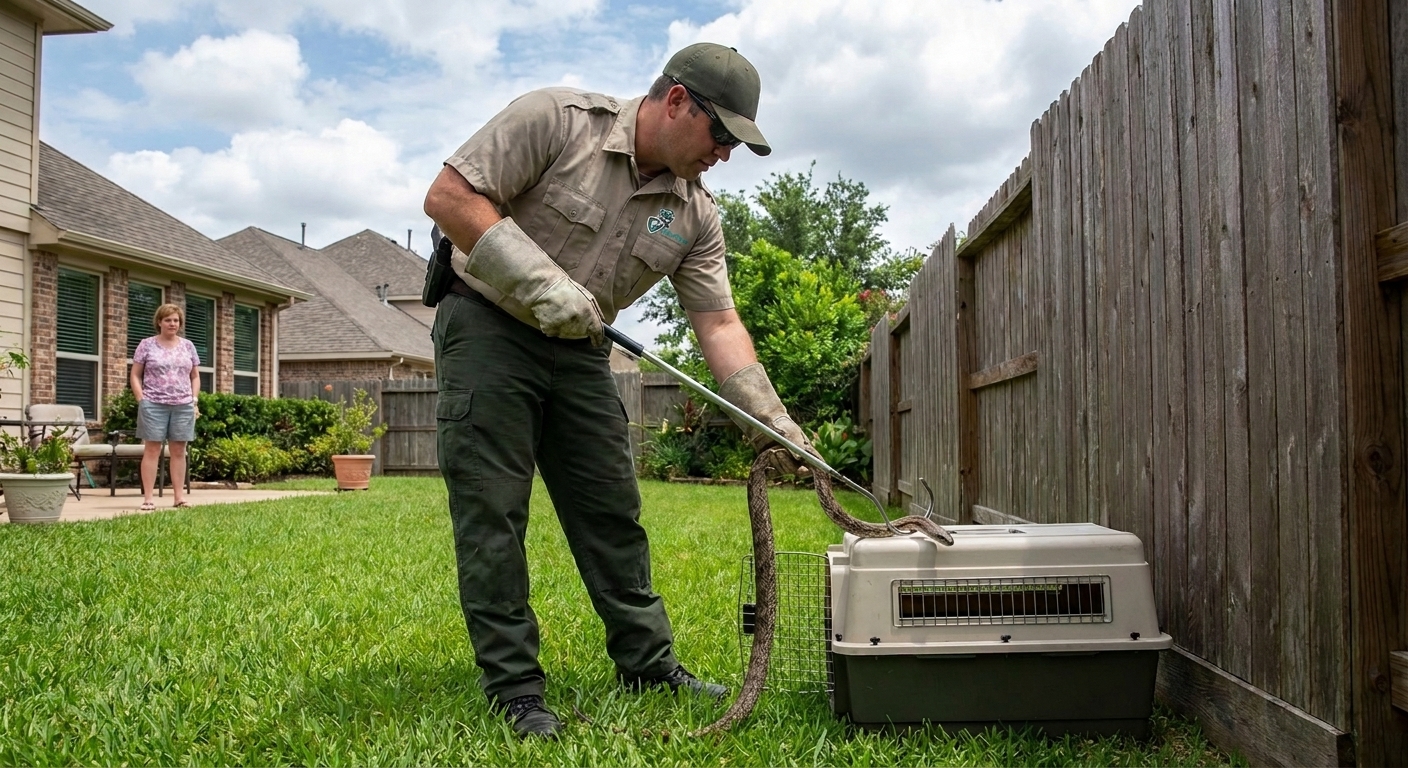
  • Specialized tools like snake hooks, tongs, and secure containers are used to safely capture the animal without injury
  • The snake is relocated to a suitable habitat away from residential areas where it can continue its ecological role
  • You receive guidance on how to reduce future encounters through habitat modification and exclusion techniques

This approach protects everyone involved — you, your family, and the snake. It's humane, legal, and effective. And it doesn't leave you guessing about what happens next.

Why DIY Is a Bad Bet

Some homeowners think they can handle snake removal on their own. Maybe they've seen a YouTube video or heard a neighbor's success story. But handling snakes without training is risky — and in Texas, it can be illegal. Many native species are protected, and killing or mishandling them can result in fines.

Even non-venomous snakes can deliver painful bites when threatened. And if you misidentify a venomous species, the consequences can be serious. Professionals have the tools, knowledge, and legal authority to remove snakes safely. That's not something you can replicate with a pair of gloves and good intentions.

Making Your Yard Less Inviting

Once the snake is gone, the real work begins. Prevention is about eliminating the conditions that brought it there in the first place. Start by keeping your lawn trimmed and removing debris piles where snakes can hide. Seal cracks in your foundation, close gaps around doors, and fix any openings in sheds or garages.

Control the food supply by managing rodent populations and reducing insect activity. If you have bird feeders, clean up spilled seed regularly — it attracts mice, which attract snakes. Standing water should be drained or treated. The fewer resources your yard offers, the less likely snakes are to settle in.

Snake removal process in Houston yard

Common Mistakes That Bring Them Back

Thinking one removal solves the problem forever is wishful thinking. If the conditions that attracted the first snake are still in place, others will follow. Here's where most people slip up:

  • Leaving woodpiles or construction materials stacked against the house
  • Ignoring overgrown vegetation or unmowed sections of the yard
  • Failing to seal entry points around the foundation or crawl spaces
  • Allowing rodent populations to grow unchecked
  • Storing pet food outdoors or leaving water bowls outside overnight

Each of these creates an opportunity. And snakes are opportunists. Close the gaps, and you close the door.

When to Call for Help

If you're dealing with repeat sightings, venomous species, or snakes inside your home, it's time to bring in a professional. A trained technician can assess your property, identify vulnerabilities, and implement exclusion strategies that actually work.

They'll also help you understand what you're up against. Not every snake problem looks the same, and cookie-cutter advice won't cut it. Customized solutions based on your property's layout, landscaping, and local wildlife patterns are what keep snakes from coming back.

Documentation Backs Up Your Decisions

If you're working with a removal service, keep records of what was done. Photos of the snake, notes on where it was found, and copies of any service reports can be useful if the problem persists or if you need to involve pest control or insurance later.

This isn't paranoia — it's smart planning. The more you know about what's happening on your property, the better equipped you are to prevent it. And if you ever need to prove you took reasonable steps to address the issue, that documentation becomes your backup.

Snake Removal Done Right

Handling a snake in your yard isn't about bravery or quick fixes. It's about understanding the situation, respecting the risks, and making decisions that protect your home without creating new problems. Professionals offering wildlife removal exist for a reason — they know how to remove snakes safely, legally, and in a way that doesn't just kick the can down the road.

Your yard should be a place where you feel comfortable, not on edge every time you step outside. With critter-proofing your home and the right approach, you can reclaim that space and keep it snake-free for the long haul. If you need expert help, contact us to get started.

Let’s Make Your Yard Safe Again

We know how unsettling it is to spot a snake where your family and pets play. Let’s work together to make your property a place you can enjoy without worry. If you’re ready for peace of mind and real solutions, give us a call at 832-834-8206 or schedule a free inspection and let’s get your yard back to normal.


‹ Back

Get Your Free Wildlife Inspection in Houston Today

If you're hearing noises, scratching, seeing damage, or suspect wildlife in your attic or walls, don't wait. We offer fast, honest inspections with real solutions that fix the problem.